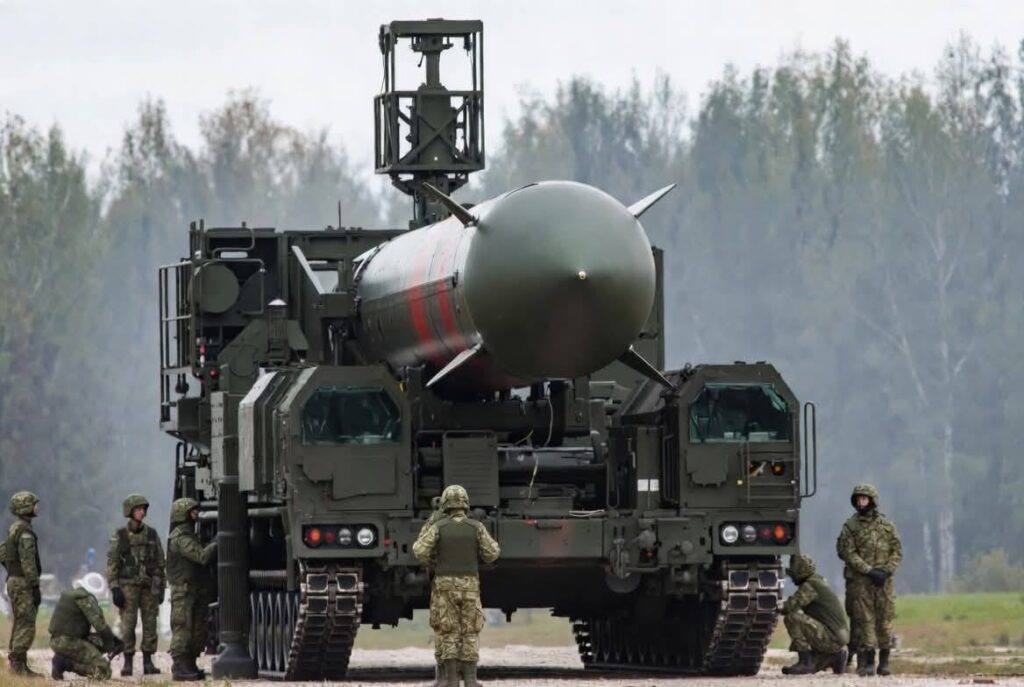
Kremlin has said Russia will continue to take a responsible stance on global nuclear stability, despite the expiration of the last nuclear arms control treaty between Moscow and Washington.
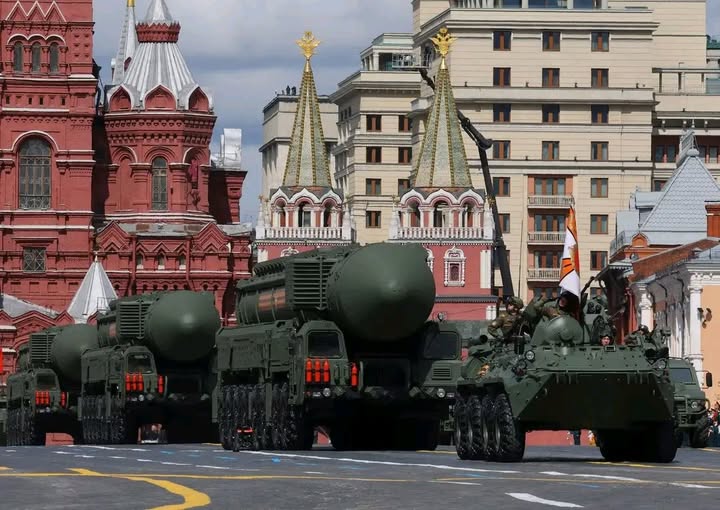
Kremlin spokesman Dmitry Peskov said the New START treaty, which had set limits on missiles, launchers and nuclear warheads for both sides, had officially expired at the end of Thursday.
Russia has expressed regret over the move, saying it had proposed extending the treaty’s terms by a year to allow for negotiations on a new treaty, but had not received an official response from the United States.
MOSCOW, Feb. 5 (Reuters) — As the final hours ticked away on the world’s last remaining nuclear arms control agreement between Russia and the United States, the Kremlin signaled both regret and resolve, insisting that Moscow would continue to act responsibly in safeguarding strategic nuclear stability—even as the treaty formally slipped into history.
Speaking to reporters on Thursday, Kremlin spokesman Dmitry Peskov confirmed that the New Strategic Arms Reduction Treaty, widely known as New START, would officially expire by the end of the day. The agreement, which for more than a decade placed firm caps on deployed nuclear warheads, missiles, and launchers on both sides, marked the last major pillar of arms control cooperation between the two former Cold War rivals.
“Today the day will end, and the treaty will cease to have any effect,” Peskov said, underscoring the symbolic and strategic significance of the moment.
While some arms control experts had believed the treaty expired a day earlier—at the end of Wednesday—Peskov’s remarks clarified Moscow’s position, leaving no ambiguity about the Kremlin’s interpretation. Regardless of the precise hour, the result is the same: for the first time in nearly three decades, there are now no binding limits governing the world’s two largest nuclear arsenals.
The expiration of New START marks the end of an era that began in the aftermath of the Cold War, when Washington and Moscow sought to reduce the risk of catastrophic nuclear confrontation through transparency, inspections, and mutually agreed ceilings on weapons capable of destroying civilization many times over. First signed in 2010 and later extended, New START became a rare example of sustained cooperation amid an increasingly adversarial relationship.
Peskov did not hide the Kremlin’s dissatisfaction with how events unfolded.
“We view this negatively and express our regret,” he said, emphasizing that Russia had hoped for a different outcome.
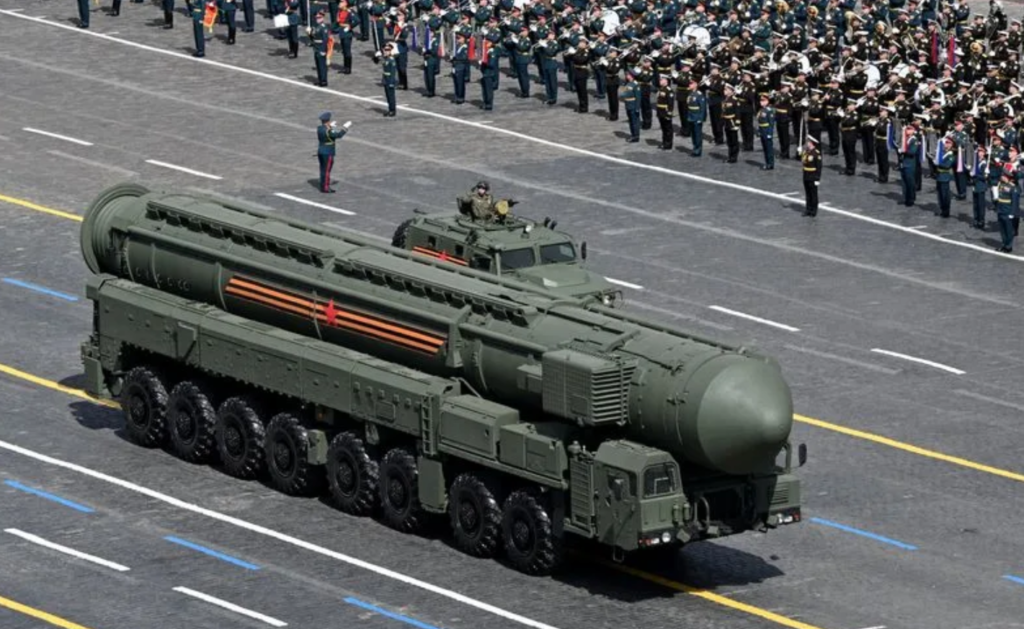
According to the Kremlin, Moscow had proposed a voluntary one-year extension of the treaty’s terms—an informal pause that would have preserved limits while creating space for negotiations on a successor agreement. Such a move, Russian officials argued, could have prevented a dangerous vacuum in global arms control.
However, Peskov said the United States never formally responded to the proposal.
“This agreement is coming to an end,” he said. “What happens next depends on how events unfold.”
The treaty’s expiration, Peskov noted, was not merely a technical or bureaucratic matter. It featured prominently in high-level diplomatic discussions, including a recent phone call between Russian President Vladimir Putin and Chinese President Xi Jinping, held just one day before the treaty lapsed. Though details of that conversation were not disclosed, the reference highlighted the broader geopolitical implications of New START’s demise, particularly as global power dynamics continue to shift.
Despite the end of the treaty, the Kremlin sought to project calm and continuity rather than alarm.
“In any case,” Peskov said, “the Russian Federation will maintain its responsible and attentive approach to the issue of strategic stability in the field of nuclear weapons.”
He added that Russia would, as always, be guided first and foremost by its national interests—a phrase that resonates deeply within Russian political discourse, especially in matters of defense and sovereignty.
For arms control advocates, the treaty’s expiration has long been a source of anxiety. New START not only limited nuclear arsenals but also provided mechanisms for verification, including on-site inspections and data exchanges. Without it, both sides lose visibility into each other’s strategic forces, increasing the risk of miscalculation, suspicion, and escalation.
While neither Russia nor the United States has announced immediate plans to dramatically expand their nuclear stockpiles, the absence of legal constraints opens the door to a renewed arms race—one that could be faster, less predictable, and more technologically complex than those of the past. Hypersonic weapons, advanced missile defenses, and emerging space-based systems have already blurred the traditional frameworks of nuclear deterrence.
Peskov’s remarks appeared carefully calibrated to reassure both domestic and international audiences that Moscow does not intend to act recklessly.
Yet analysts note that “responsibility” can mean different things in different capitals. Without shared rules or mutual trust, maintaining strategic stability becomes far more difficult. In such an environment, even routine military decisions can be interpreted as provocative, feeding cycles of suspicion and retaliation.
The United States has previously expressed concerns about Russia’s broader strategic posture, while Moscow has accused Washington of undermining arms control through missile defense systems and the development of new weapons technologies. With New START gone, those disagreements now loom even larger.
Still, Peskov stopped short of closing the door on future negotiations.
“What happens next depends on how events unfold,” he repeated—a phrase that leaves room, however narrow, for diplomacy.
The expiration of New START stands as a stark reminder of how fragile global security frameworks can be when political relations deteriorate. For nearly 30 years, a web of treaties helped restrain the nuclear rivalry that once defined international politics. One by one, those agreements have fallen away. New START was the last.
As Thursday drew to a close in Moscow, so too did a chapter in arms control history. What replaces it—if anything—remains uncertain. For now, the world enters a new phase, one defined not by signed limits and inspections, but by unilateral choices, shifting alliances, and the ever-present shadow of nuclear weapons.
Reporting by Dmitry Antonov; Writing by Andrew Osborn; Editing by Mark.