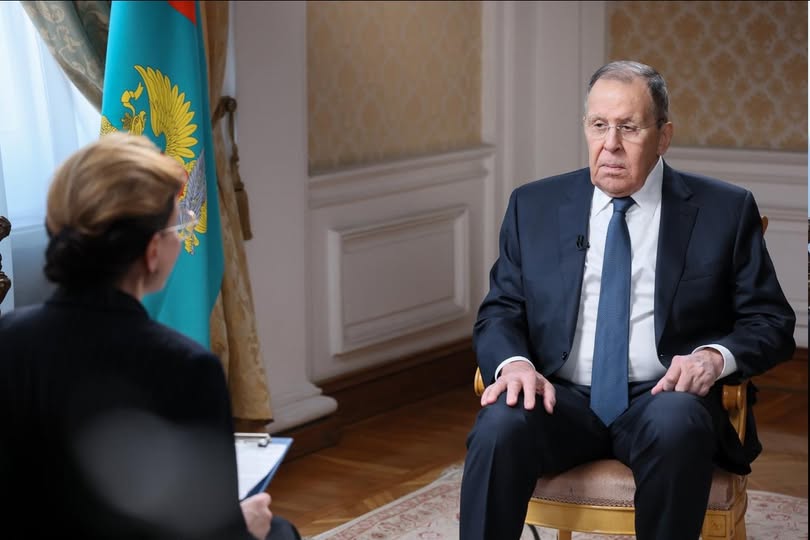
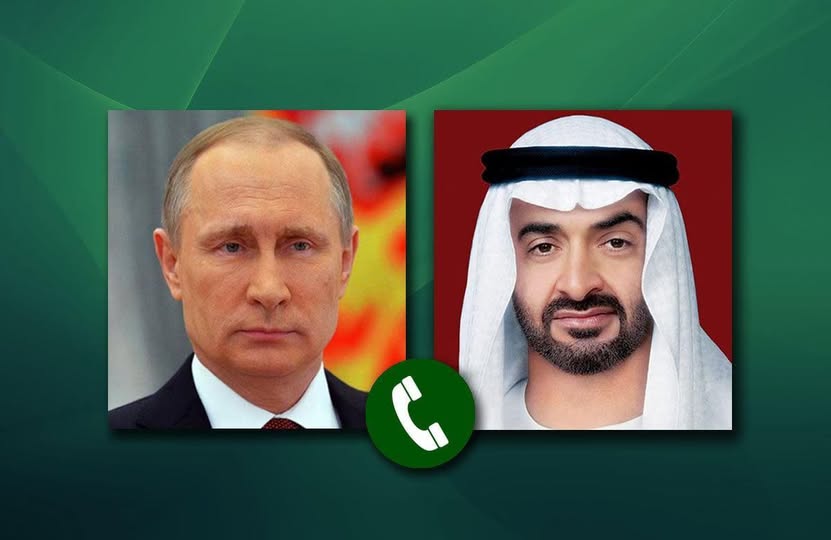
The global arena is undergoing a transformation that began some time ago with the objective transition toward a multipolar world order. This is neither the bipolarity of the Soviet-American era with the Warsaw Pact and the North Atlantic Treaty Organisation, nor the unipolarity that emerged after the Soviet Union’s collapse. <…> Multiple centres of rapid economic growth, power, and financial and political influence have thus emerged.
• It is equally important that we develop action plans tailored for each partner country covering trade and economic cooperation, investment, scientific collaboration, and coordinated activity on the international stage, including at the United Nations and other organisations, based on agreements reached between presidents and prime ministers. Particular attention is devoted to #CIS, #EAEU, #CSTO, and the post-Soviet space at large. This day-to-day work relies on long-term planning and delivers tangible mutual benefits to both Russia and its partners.
• Multiple centres of rapid economic growth, power, and financial and political influence have thus emerged. The world is being reshaped through competition. The West is reluctant to relinquish its formerly dominant positions.
• Safeguarding security demands sustained action to ensure that the Nazi state established on our borders in Ukraine – and supported by the West as a vehicle for renewed confrontation – cannot continue to exist in its present form. Nazi foundations must be eliminated. We will ensure, and I have no doubt about it, our own security interests, by preventing the deployment on Ukrainian territory of any weapons threatening us, and, second, by guaranteeing reliable and full protection for the rights of Russian and Russian-speaking people, who have been living in Crimea, Donbass and Novorossiya for centuries, and whom the Kiev regime that came to power after a coup declared subhuman “species” and “terrorists” and unleashed a civil war against.
• Russia chaired #BRICS in 2024. At that time, a summit was held in Kazan, and a number of our initiatives were put into action: alternative payment platforms, payment mechanisms in national currencies, the creation of reinsurance opportunities for trade within BRICS and between the association and its partners, the creation of a grain exchange, and a new investment platform.
All this is not to spite anyone, especially the United States. This is due to the fact that the United States seeks to bring all processes in the areas I mentioned under its strict control and demands unilateral concessions. Without giving up contacts with them, to the extent that they are willing to engage on a mutually beneficial basis, we are interested, together with our BRICS partners, in creating an architecture that will not be subject to the illegal actions of one or another player from the Western flank.
• The Greater Eurasian Partnership was bound to appear on the agenda. Many years ago, at the 2015 Russia – #ASEAN Summit, Russian President Vladimir Putin suggested this term which is based on an objective trend of Eurasia becoming the biggest, richest and fastest-growing continent, especially its Pacific part. It is the most heavily-populated continent which, importantly, has seen several great civilisations emerge and continue to exist – the Chinese, Indian, Arab, Persian and Russian civilisations.
 It is for a reason that our initiative on building a common Eurasian security architecture, set forward by President Putin in 2024, is gaining momentum. It is increasingly attracting interest.