When Advanced Air Defenses Fail: What the Iran Strikes Could Mean for Global Security


4
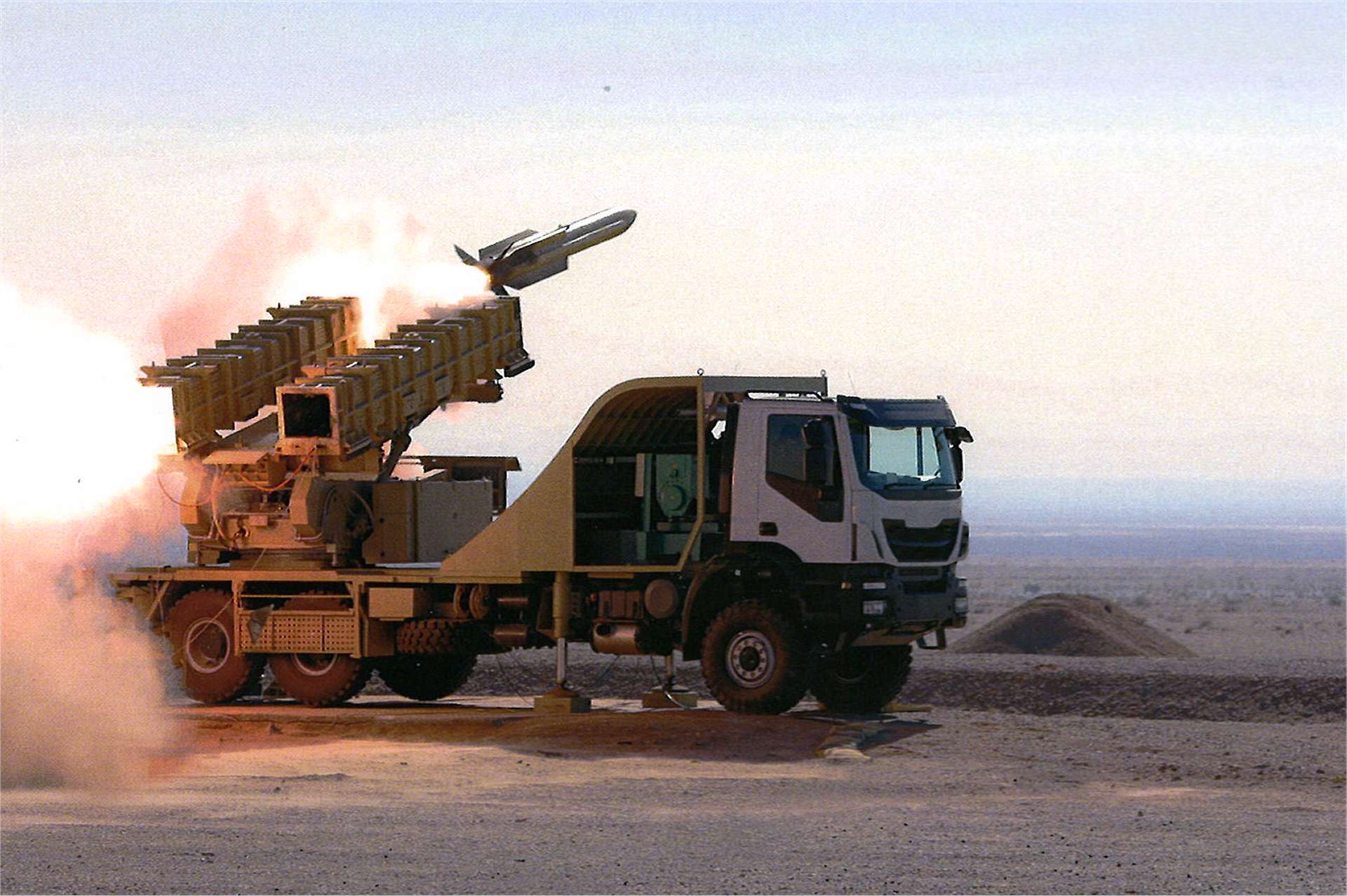
When the United States and Israel launched coordinated strikes against Iranian targets on February 28, 2026, the operation did more than hit strategic infrastructure. It also ignited a global debate about modern air defense systems and their real-world effectiveness. At the center of that debate sits one system in particular: the Chinese-made HQ-9B long-range surface-to-air missile system, widely considered one of Beijing’s most advanced exportable air defense platforms.
According to reports circulating among defense analysts, Iran had integrated the HQ-9B into the outer layer of its national air defense network. The system was intended to detect, track, and intercept high-value aerial threats—including stealth aircraft, cruise missiles, and long-range precision weapons. Yet during the opening phase of the strikes, sources claim that several of these systems were neutralized or bypassed, allowing U.S. and Israeli aircraft to penetrate deep into Iranian airspace.
If accurate, the implications extend far beyond Iran. The question now being asked in military circles around the world is simple but profound: if one of China’s most advanced exported air defense systems can be overcome so quickly, what does that mean for the countries that rely on it for their own security?
A Test of Modern Integrated Air Defense
4
Air defense systems rarely fail because of a single weakness. Instead, they tend to be overwhelmed through a combination of tactics designed to dismantle the network piece by piece.
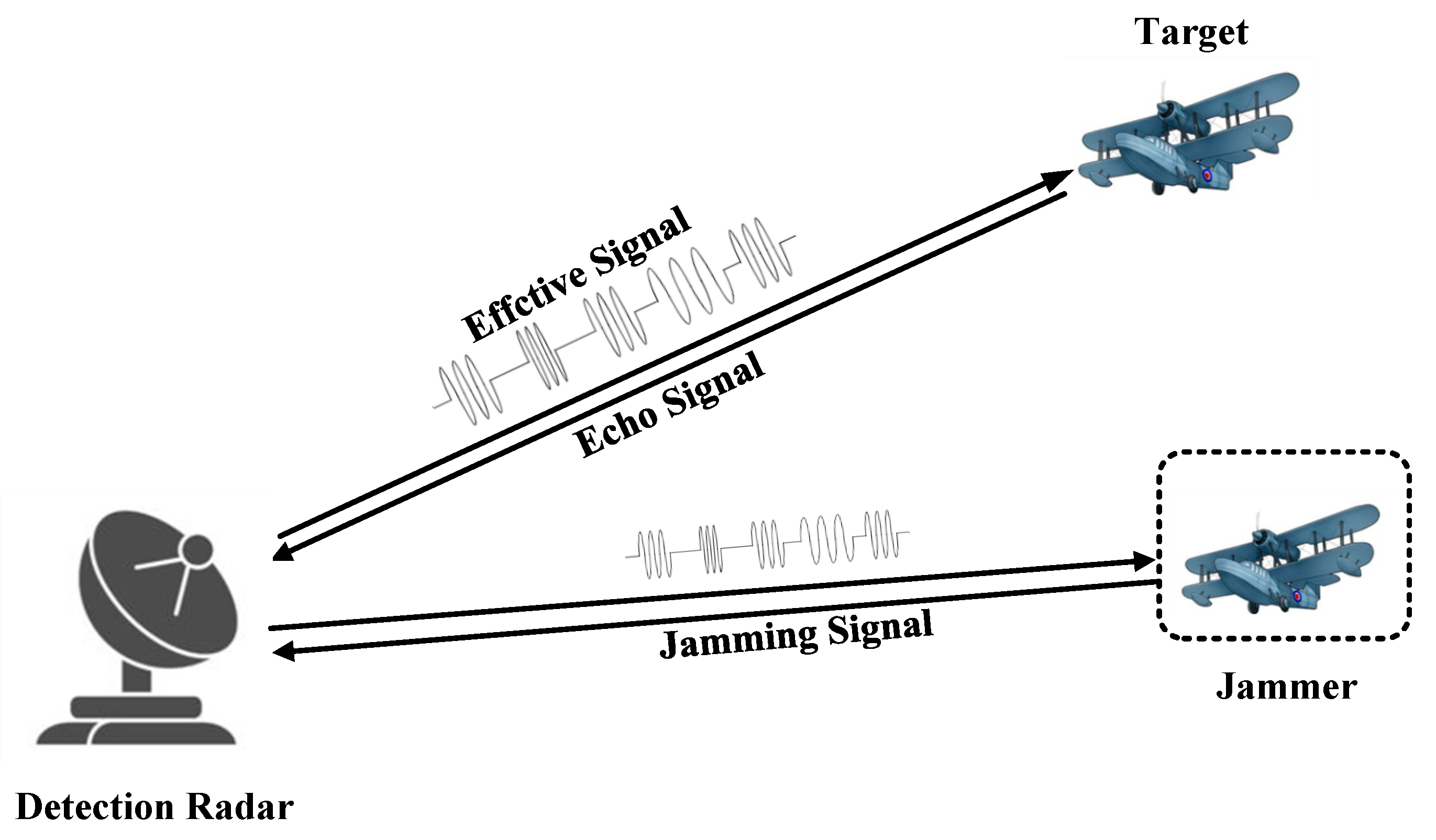
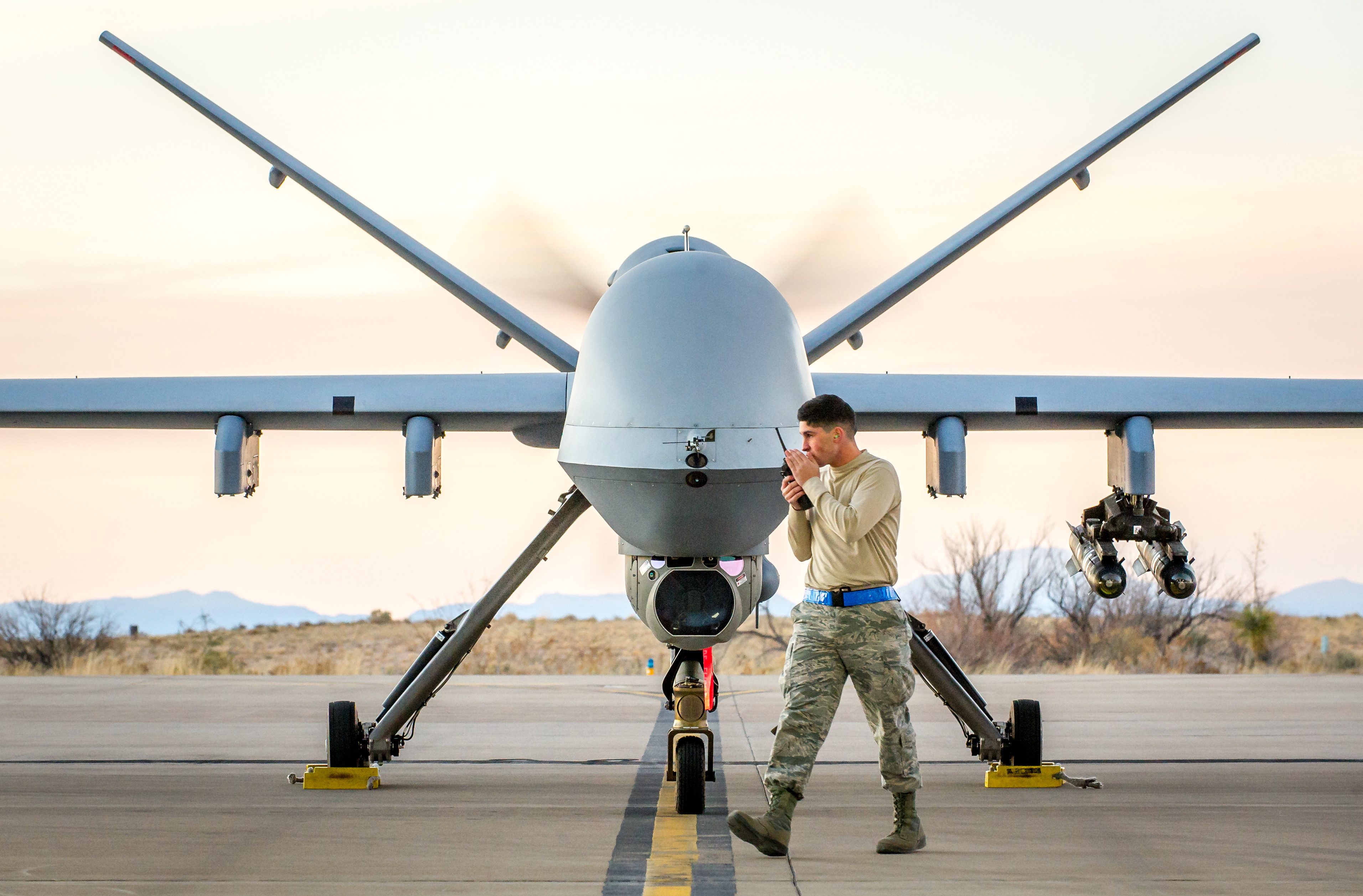
Military analysts reviewing the reported strikes believe the operation followed a familiar pattern used in advanced air campaigns. First comes electronic warfare, where specialized aircraft or drones attempt to jam or confuse enemy radar systems. This reduces the ability of air defense operators to track incoming threats accurately.
Next come precision strikes on key nodes, particularly radar installations and command centers that link the network together. Even the most advanced missile launchers become far less effective if the sensors guiding them are disabled.
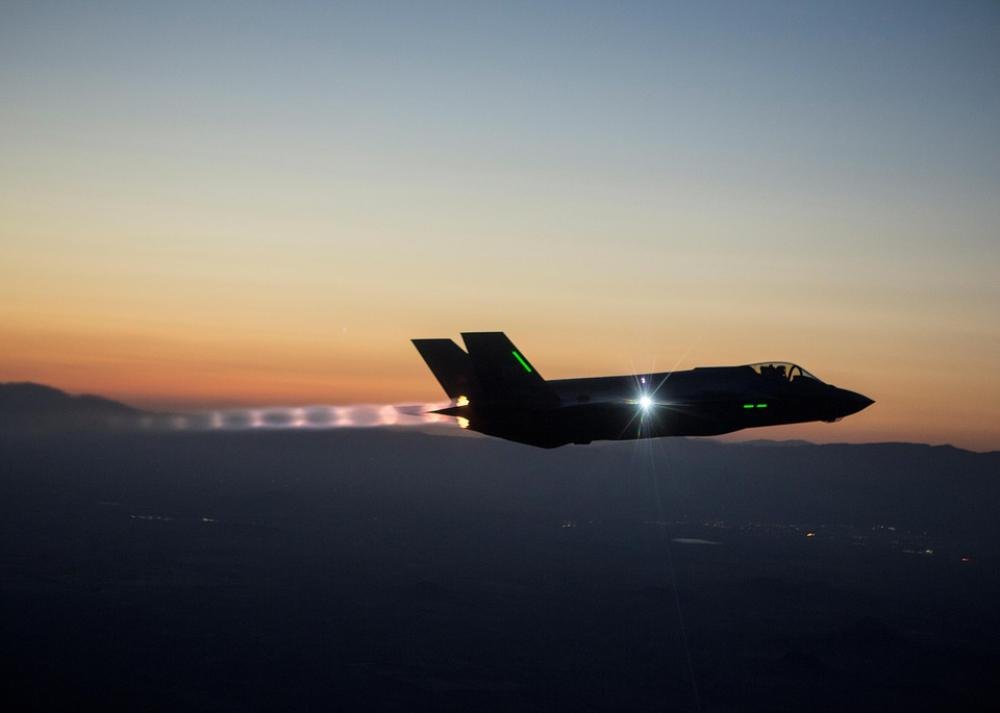
Finally, stealth aircraft and stand-off weapons exploit the gaps created in the network, flying through corridors where detection has been degraded or destroyed.
This layered approach is designed to collapse the defensive architecture rather than simply dodge individual missiles. According to statements from the Israeli military, a large portion of Iran’s air defense network in western and central regions was dismantled during the operation’s early stages.
While independent confirmation remains limited, the claims have been enough to spark serious discussion among defense experts worldwide.
The HQ-9B: China’s Flagship Export Air Defense
The HQ-9B is widely viewed as one of China’s most capable long-range surface-to-air missile systems available for export. Developed as part of Beijing’s effort to compete with Western and Russian defense technology, it was designed to engage a wide spectrum of aerial threats, including:
- Fighter jets
- Strategic bombers
- Cruise missiles
- Drones
- Some ballistic missile targets
The system combines phased-array radar with high-speed interceptor missiles capable of reaching targets hundreds of kilometers away under optimal conditions. For countries seeking an alternative to Western defense equipment—often due to political restrictions or cost—the HQ-9 series has been an attractive option.
Several nations have either purchased or shown interest in Chinese long-range air defense systems, viewing them as a way to strengthen sovereignty and deterrence.
But like all military equipment, performance on paper does not always match performance in combat.
A Reputation Under Pressure
Reports about the February strikes have revived earlier concerns raised during previous regional conflicts. In some instances, analysts have questioned whether certain air defense systems—Chinese, Russian, or Western—performed as effectively in combat as their manufacturers claimed.
Air defense systems face an especially difficult challenge in modern warfare. Offensive technology is evolving rapidly, particularly in three areas:
- Stealth aircraft that reduce radar visibility
- Electronic warfare that blinds or deceives sensors
- Saturation attacks involving large numbers of drones and missiles
Even highly advanced systems can struggle if they are attacked simultaneously from multiple directions or if their radar networks are disabled early in a conflict.
For China, the issue is not just technical—it is also reputational. Over the past two decades, Beijing has invested heavily in becoming a major player in the global arms export market. Chinese defense companies have marketed systems like the HQ-9B as cost-effective alternatives to Western platforms such as the Patriot or European missile defense systems.
If the Iranian experience is widely interpreted as a failure of Chinese technology, the ripple effects could influence future defense contracts around the world.
Why Real Combat Is the Ultimate Test
Military history shows that almost every weapons system looks formidable until it faces a determined opponent in real combat conditions.
Even some of the world’s most famous air defense systems have experienced mixed results depending on the circumstances. Effectiveness depends on numerous factors, including:
- The training of operators
- The integration of radar networks
- The quality of intelligence and early warning
- Coordination with fighter aircraft and other defenses
In many cases, the system itself is only one piece of a much larger defensive ecosystem.
If a network is poorly coordinated, under-maintained, or caught off guard by advanced tactics, even high-end missile systems may struggle to perform as intended.
That complexity makes it difficult to draw simple conclusions from any single military operation.
China’s Strategic Response


4
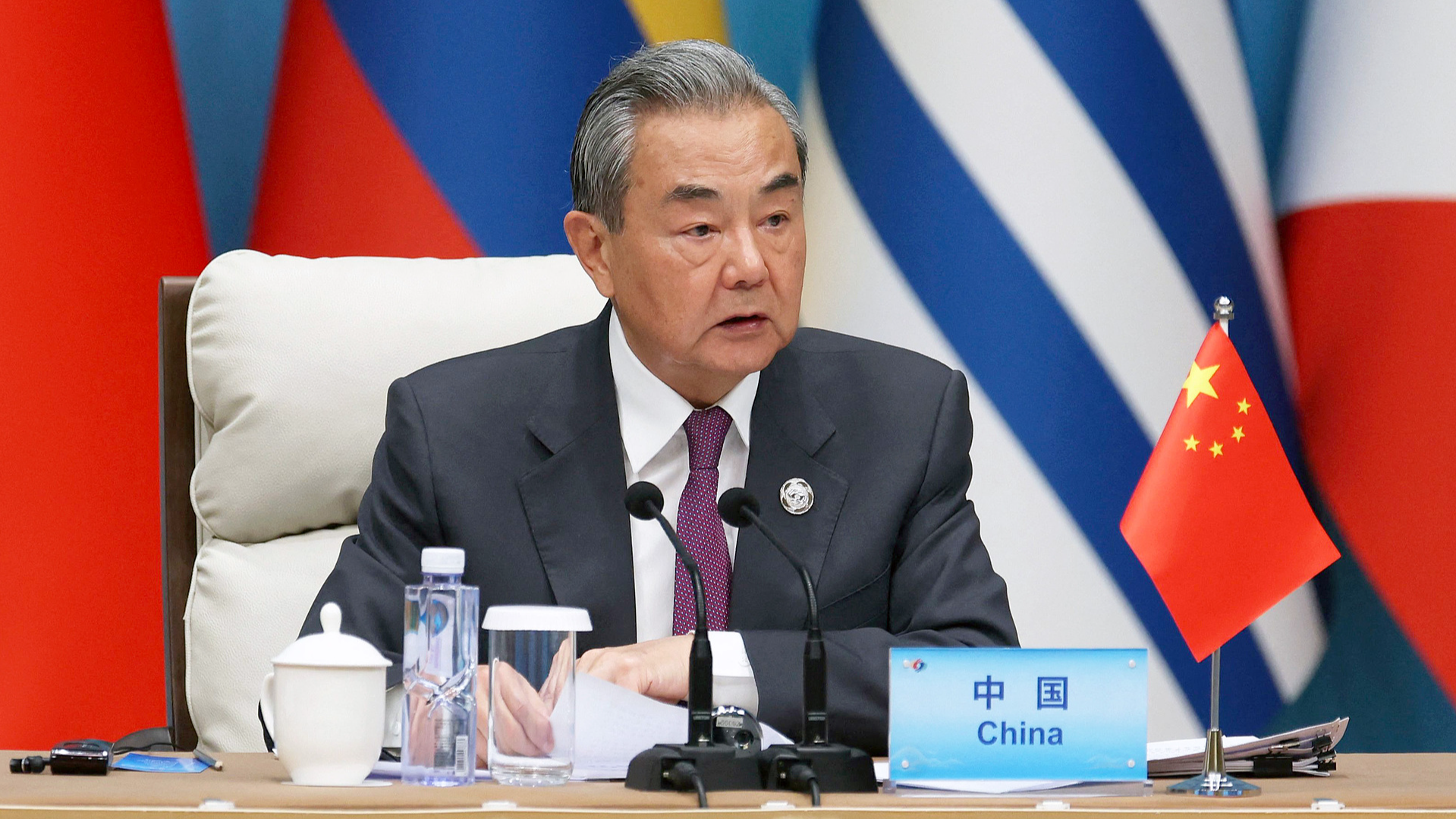
China reacted swiftly on the diplomatic front following the reported strikes. Foreign Minister Wang Yi publicly condemned the attacks, describing them as unacceptable and urging restraint.
However, most analysts believe Beijing will avoid direct military involvement in the confrontation. China’s strategic interests in the region—particularly energy trade and economic partnerships—are significant, but its approach has traditionally emphasized diplomacy and economic engagement rather than military escalation.
Instead, China is more likely to support Iran through:
- Trade cooperation
- Diplomatic backing in international forums
- Possible technology upgrades or defense consultations
This strategy allows Beijing to maintain influence in the region without risking a direct confrontation with the United States or Israel.
The Bigger Picture for Global Defense Buyers
For countries that have purchased or are considering purchasing Chinese air defense systems, the situation raises important questions—but not necessarily definitive answers.
Defense planners around the world understand that no air defense system is invulnerable. The real question is how systems perform as part of a broader integrated defense network.
Many nations operate a multi-layered structure, combining:
- Long-range interceptors
- Medium-range systems
- Short-range defenses
- Fighter aircraft patrols
- Electronic warfare capabilities
This layered approach ensures that if one line of defense fails, others can still respond.
The Iranian experience may therefore reinforce a long-standing lesson in military planning: technology alone is not enough—strategy, integration, and preparedness matter just as much.
A Defining Moment for Defense Technology
Whether the reported events represent a true technological failure or simply the result of overwhelming offensive tactics remains a matter of ongoing analysis.
But one thing is certain: modern warfare is evolving rapidly, and the balance between offensive and defensive systems is constantly shifting.
For China, the stakes extend beyond a single battlefield. The credibility of its growing defense export industry may now depend on how convincingly it can demonstrate the effectiveness of its technology in future scenarios.
For the rest of the world, the lesson may be even broader.
In an era of stealth aircraft, electronic warfare, cyber operations, and precision strikes, no defense system—no matter how advanced—can guarantee absolute protection.
The events surrounding the February 28 strikes have therefore become more than just a regional conflict story. They are a reminder that the race between offensive and defensive military technology continues—and that the outcome of that race shapes the security strategies of nations across the globe.