Missiles Over Tel Aviv: Iran Fires New Wave as Regional Tensions Intensify
4
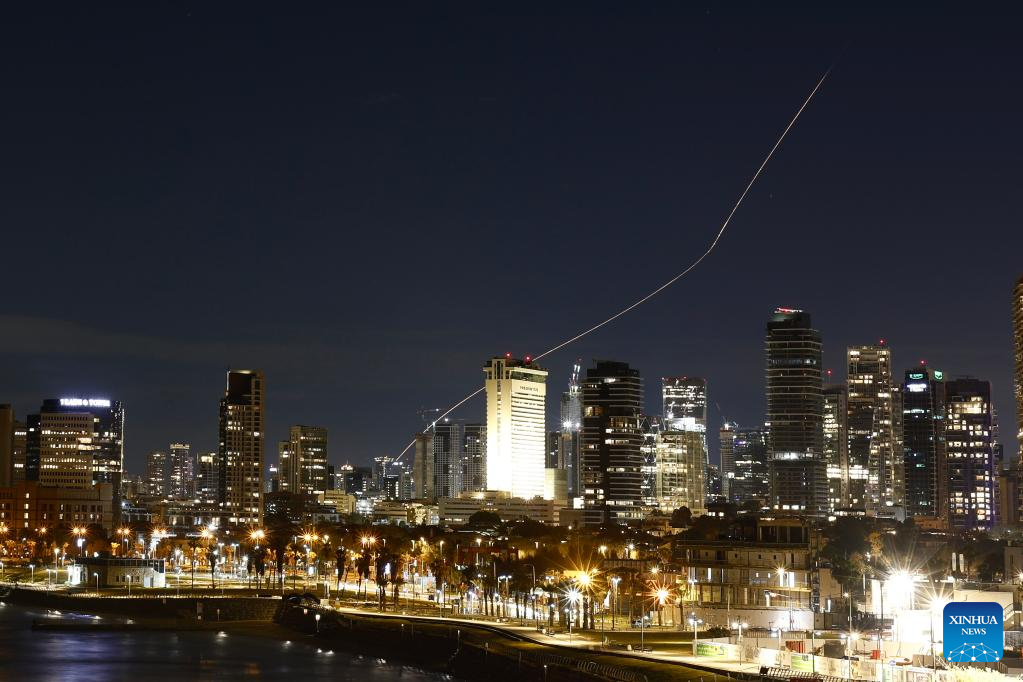
A tense calm shattered over Israel late Thursday as air raid sirens wailed across multiple cities, including Tel Aviv, following a fresh wave of missiles launched from Iran. The barrage marked a dramatic resumption of hostilities after more than seven hours of relative quiet, underscoring how quickly the confrontation between the two regional powers can reignite.
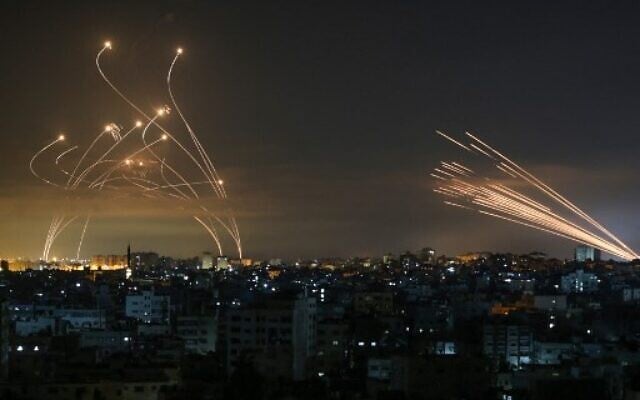
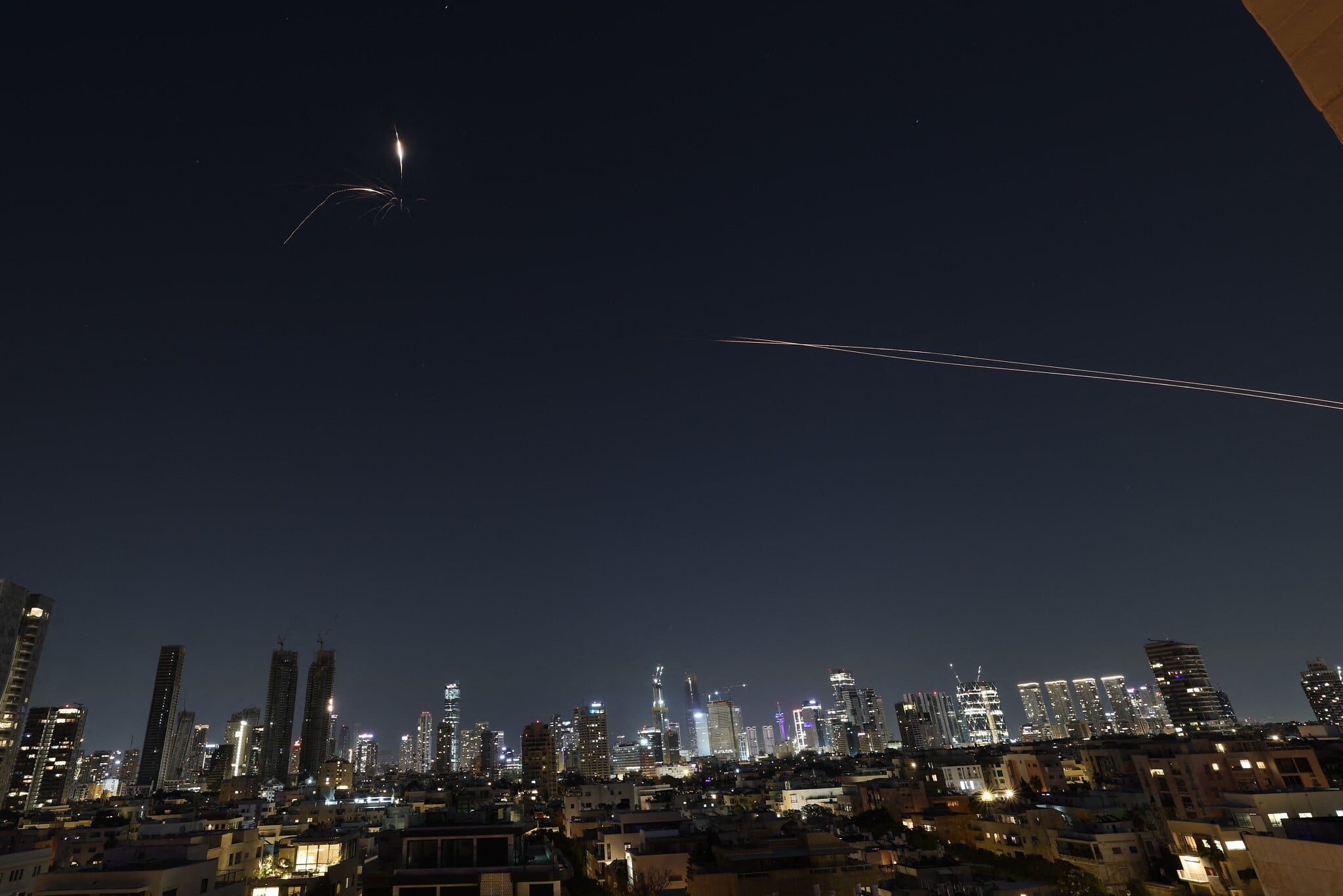
According to the Israel Defense Forces, its radar systems detected several missiles fired from Iranian territory toward Israel. Within moments, Israeli air defense systems were activated, scrambling to intercept the incoming projectiles before they could reach populated areas.
“The Israeli Air Force has identified missiles launched from Iran toward the territory of the State of Israel,” the military said in an official statement, noting that defensive systems were actively engaging the threats.
For residents in Tel Aviv and surrounding communities, the sirens triggered a familiar yet chilling routine—rushing toward shelters while watching the night sky for flashes of interceptors streaking upward.
Despite the alarm, early reports suggested that the defensive network prevented major damage. Authorities said there were no immediate reports of casualties, though assessments were still ongoing.
Iran Confirms Missile Launch
Iranian state media quickly confirmed the attack. The government broadcaster Islamic Republic of Iran Broadcasting reported that Iranian forces had fired missiles toward Israel, framing the action as part of Tehran’s ongoing response to recent strikes.
The exchange represents another dangerous step in a confrontation that has escalated rapidly over the past week. What began as targeted military strikes has now evolved into an increasingly volatile cycle of retaliation between two long-standing rivals.
The renewed barrage also highlighted how fragile the temporary pauses in fighting have become. The seven-hour lull that preceded the missile launches had briefly raised hopes that tensions might be easing, but Thursday night’s events quickly dashed those expectations.
Rising Death Toll in Iran
While the missiles aimed at Israel captured global headlines, Iranian media simultaneously reported the growing human cost inside Iran.
State outlets claimed that more than 1,000 people have been killed since Israeli and American strikes began over the weekend. The figures include military personnel as well as civilians, though independent verification remains difficult amid the chaos of the conflict.
The strikes targeted multiple locations across Iran, including military installations, command centers, and infrastructure linked to the country’s defense and nuclear programs.
The scale of destruction has fueled outrage within Iran and intensified pressure on the government to respond forcefully.
The Strike That Changed Everything
The current escalation traces back to February 28, when coordinated airstrikes carried out by the United States and Israel struck high-level targets inside Iran.
Among those reportedly killed in the attacks was Ali Khamenei, along with members of his family and several senior Iranian officials. The unprecedented strike sent shockwaves through the region and marked one of the most dramatic moments in the long-running confrontation between Tehran and its adversaries.
The operation reportedly followed the collapse of diplomatic efforts aimed at easing tensions between Washington and Tehran. Negotiations had struggled for months over security concerns, nuclear development issues, and regional rivalries.
When diplomacy failed, the conflict shifted from negotiation rooms to the battlefield.
Iran’s President Defends Retaliation
In the aftermath of the missile launch, Masoud Pezeshkian addressed the situation, insisting that Tehran had attempted to avoid war.
According to Pezeshkian, Iran pursued diplomatic channels before hostilities erupted but was ultimately forced to respond to what he described as “American-Zionist military aggression.”
Speaking to leaders from neighboring Gulf states, the Iranian president stressed that Iran respected the sovereignty of regional nations and did not seek a wider conflict.
He argued that security in the Middle East should be maintained through regional cooperation rather than foreign intervention.
At the same time, his remarks made clear that Iran believed it had little choice but to retaliate following the devastating strikes on its leadership and infrastructure.
Israel Claims “Historic Gains”
On the other side of the conflict, Israel has presented a starkly different narrative.
Officials in the office of Benjamin Netanyahu stated earlier this week that Israel and the United States had achieved “historic gains” in their campaign against Iran.
According to Israeli authorities, one of the latest operations targeted facilities believed to be linked to Iran’s nuclear ambitions. Israeli officials claim that intelligence indicated Iran was attempting to rebuild parts of its atomic bomb program using new underground bunkers designed to evade detection.
For Israel, preventing Iran from acquiring nuclear weapons has long been a central national security priority. Israeli leaders argue that such capabilities would fundamentally threaten the country’s existence.
Iran, however, has repeatedly insisted that its nuclear activities are intended for peaceful purposes.
Tensions Spread Across the Region
The escalating confrontation is not confined to Israel and Iran alone. As the conflict intensifies, neighboring countries are increasingly worried about being pulled into the crisis.
In Qatar, Prime Minister Mohammed bin Abdulrahman Al Thani accused Iran of attempting to draw regional states into the conflict during a tense phone conversation with Tehran’s foreign minister.
Meanwhile, Turkey took the unusual step of summoning Iran’s ambassador after a missile believed to have been aimed at a base in Cyprus reportedly landed inside Turkish territory.
The incident heightened fears that the war could spill beyond its primary participants, dragging additional countries into an already volatile situation.
Regional governments have begun reinforcing defenses and reviewing emergency plans in case the conflict spreads further.
A Region on Edge
Each new missile launch and airstrike is pushing the Middle East closer to a wider confrontation.
The delicate network of alliances and rivalries that defines the region means that even small incidents can have enormous consequences. A missile landing in the wrong place, a strike hitting the wrong target, or a misunderstanding between militaries could trigger a much broader conflict.
Diplomatic efforts to contain the situation appear to have stalled, leaving military responses as the dominant form of communication between the opposing sides.
For civilians across the region—from Tel Aviv to Tehran—the uncertainty has created a constant sense of anxiety.
The Fragile Path Forward
Thursday’s missile barrage toward Israel is the latest reminder of how quickly tensions can flare in an already volatile environment.
While air defense systems may intercept many of the projectiles, the broader strategic confrontation remains unresolved.
Without renewed diplomatic engagement, the cycle of strikes and retaliation could continue indefinitely—raising the risk that a regional conflict might escalate into something far larger.
For now, the sirens over Tel Aviv and the missiles crossing the skies of the Middle East stand as powerful symbols of a region balanced precariously between war and uneasy restraint.