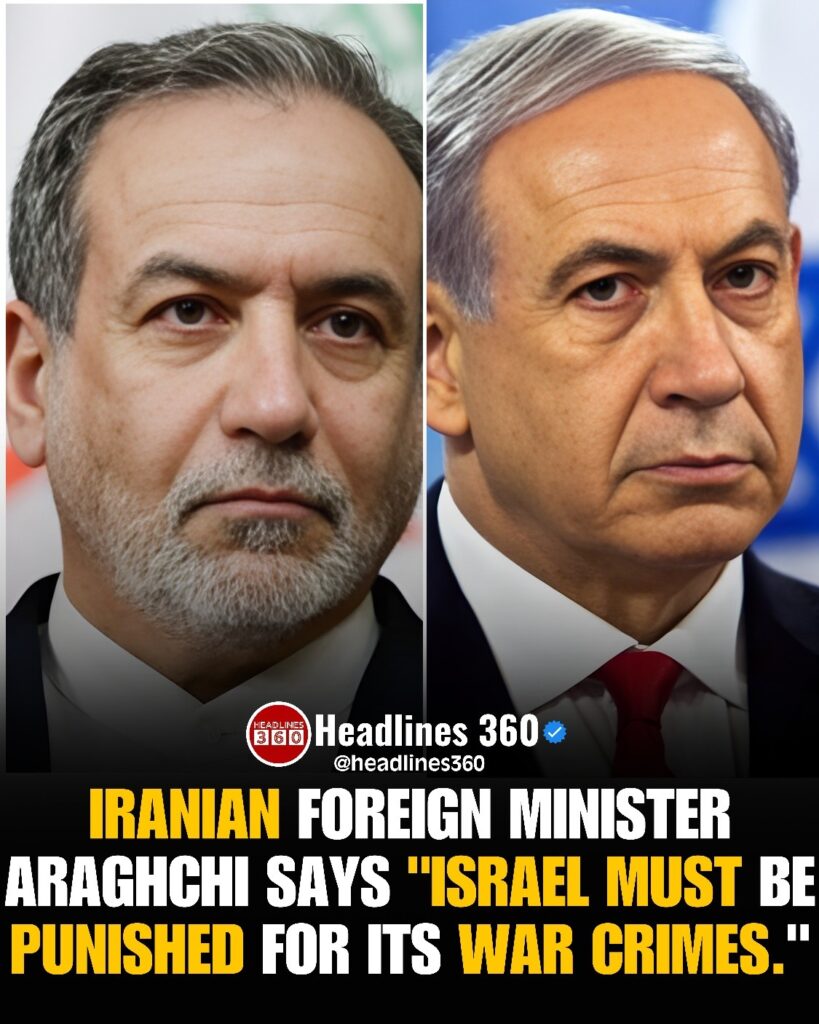
🌊 Rising Tensions in the Gulf: Global Reactions to a Naval Coalition in the Strait of Hormuz
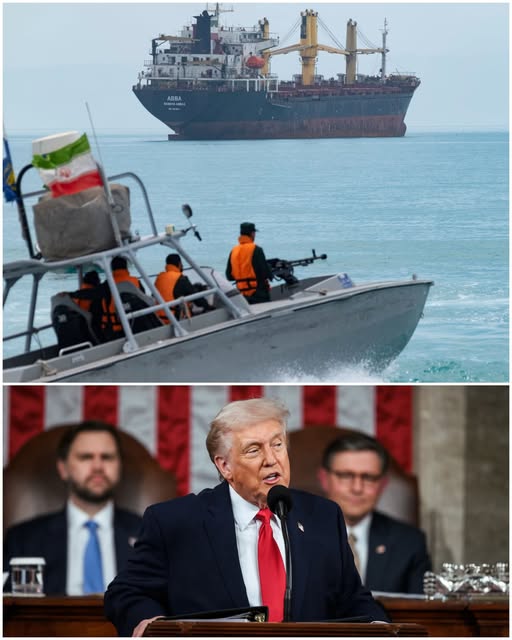
The strategic waters of the Strait of Hormuz have once again become the focal point of global attention. This narrow maritime corridor—through which nearly a fifth of the world’s oil supply flows—has long been a geopolitical pressure point. Now, a renewed proposal by Donald Trump to establish a multinational naval coalition has sparked a wave of reactions from countries across the globe, revealing deep divisions, strategic anxieties, and shifting alliances.
⚓ The Proposal That Shook Global Waters
The idea behind the naval coalition is straightforward yet highly consequential: create a unified maritime security force to patrol the Strait of Hormuz, ensuring the safe passage of oil tankers and deterring potential threats. The proposal emerged amid rising tensions with Iran, which has repeatedly warned that it could disrupt shipping routes if provoked or economically strangled.
For Washington, the coalition represents both a security measure and a strategic signal—demonstrating that the international community will not tolerate disruptions in global energy supply. However, for many nations, the decision to join such an initiative is far from simple.
🌍 Allies Respond: Support with Caution
Several traditional U.S. allies expressed cautious support for the initiative. The United Kingdom was among the first to signal willingness to participate, citing its long-standing naval presence in the region and commitment to protecting maritime trade. British officials emphasized the importance of collective security, though they also stressed the need for clear rules of engagement to avoid escalation.
Similarly, France showed openness to the idea but proposed a more independent European-led mission rather than a U.S.-dominated force. Paris has consistently advocated for diplomatic balance—seeking to maintain pressure on Iran while preserving dialogue channels.
Meanwhile, countries like Germany expressed hesitation. Berlin voiced concerns that joining a U.S.-led coalition could be perceived as taking sides in a volatile conflict, potentially undermining European diplomatic efforts to de-escalate tensions.
🛢️ Gulf States: Between Security and Sensitivity
For nations in the Gulf region, the stakes are even higher. Countries such as Saudi Arabia and the United Arab Emirates have strong incentives to ensure maritime security, given their reliance on oil exports through the Strait. Both nations showed quiet support for enhanced naval protection but have been careful not to appear overly aligned with any aggressive posture.
Their responses reflect a delicate balancing act: welcoming security guarantees while avoiding actions that could provoke direct confrontation with Iran. Behind the scenes, regional leaders are acutely aware that any escalation in the Strait could have immediate economic and security repercussions.
🕊️ Neutral Voices and Calls for Diplomacy
Not all countries are convinced that a military solution is the right approach. Nations such as Japan and India—both heavily dependent on Middle Eastern oil—have advocated for restraint. While they acknowledge the importance of safe shipping lanes, they prefer diplomatic engagement over military buildup.
Japan, in particular, has a unique position due to its historically balanced relationship with Iran. Tokyo has offered to mediate tensions rather than contribute combat forces, highlighting the importance of dialogue in preventing miscalculations.
India, on the other hand, has focused on safeguarding its economic interests, exploring options to enhance maritime awareness without directly joining a potentially confrontational coalition.
🚢 Iran’s Reaction: A Warning Signal
Unsurprisingly, Iran has responded sharply to the proposal. Officials in Tehran view the coalition as a provocative move that threatens regional sovereignty. Iranian leaders have warned that the presence of foreign naval forces could increase the risk of conflict rather than reduce it.
From Iran’s perspective, the Strait of Hormuz is not just an আন্তর্জাতিক shipping route—it is a strategic lifeline and a symbol of national leverage. Any attempt to internationalize its control is seen as a direct challenge.
⚖️ A Divided International Community
The mixed responses to the coalition proposal underscore a broader reality: the international community is deeply divided on how to handle rising tensions in the Gulf. While some nations prioritize security through strength, others fear that increased militarization could ignite the very conflict it seeks to prevent.
This division is also reflective of a changing global order. Countries are increasingly pursuing independent foreign policies rather than aligning automatically with major powers. The result is a more fragmented, multipolar approach to global crises.
🔍 What’s at Stake?
At the heart of the debate lies a simple but critical question: how can the world ensure the নিরাপদ flow of energy without triggering a wider conflict?
The Strait of Hormuz is not just a regional concern—it is a global artery. Any disruption could send shockwaves through international markets, driving up oil prices and affecting economies worldwide. For this reason, even countries reluctant to join the coalition are closely monitoring developments.
🌐 The Road Ahead
As discussions continue, the future of the proposed naval coalition remains uncertain. Much will depend on diplomatic efforts, regional dynamics, and the willingness of nations to find common ground.
One thing is clear: the situation in the Strait of Hormuz is a test of international cooperation in an increasingly complex world. Whether through military coordination or diplomatic engagement, the decisions made today will shape the امنیت and stability of global التجارة for years to come.