Russian Oil and Gas Ships Head to Cuba Amid U.S. Sanctions Pressure
Across the shimmering waters of the Atlantic, two Russian vessels laden with vital oil and gas cargo are charting a course toward the Caribbean island of Cuba—a journey that carries far more than fuel. It carries the weight of history, the urgency of crisis, and the unmistakable undertones of global power politics.
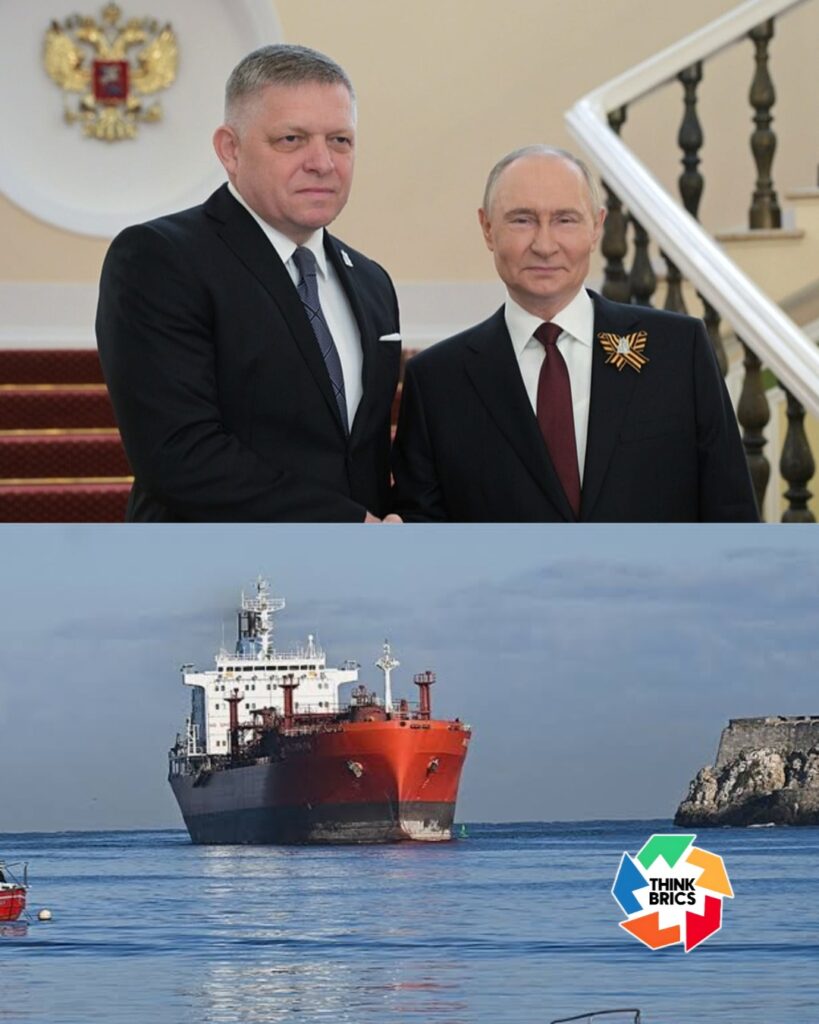
This latest development comes amid continued pressure from the United States, where sanctions policies—many intensified during the administration of Donald Trump—continue to shape the economic and geopolitical landscape surrounding Cuba. Yet despite these constraints, Russia’s decision to dispatch energy supplies signals a clear message: longstanding alliances are not easily undone.
A Nation in the Dark
In recent weeks, Cuba has faced one of its most severe energy crises in years. A nationwide blackout plunged cities into darkness, leaving millions without electricity for hours—sometimes days. Hospitals scrambled to rely on backup generators. Public transportation slowed to a crawl. Families lit candles and improvised meals, navigating a daily life suddenly stripped of modern convenience.
At the heart of the crisis lies a fragile energy infrastructure, strained by years of underinvestment, aging equipment, and a sharp decline in fuel imports. Cuba depends heavily on imported oil to power its grid, and when those shipments falter, the entire system teeters.
The arrival of Russian oil and gas could not come at a more critical moment.
A Lifeline from the East
The two vessels—reportedly carrying both crude oil and refined fuel—represent more than just economic support. They are a lifeline. Analysts suggest that the incoming shipments could stabilize Cuba’s power grid in the short term, restoring electricity to critical sectors like healthcare, food distribution, and public services.
For ordinary Cubans, the impact could be immediate and profound. Refrigerators humming back to life. Streetlights illuminating neighborhoods after sunset. Buses returning to their routes. These are small comforts that, in times of crisis, become symbols of resilience.
Russia, for its part, has long maintained a strategic partnership with Cuba. From the days of the Cold War to the present, the relationship has been defined by mutual support in the face of Western pressure. Today’s shipments echo that legacy, reinforcing ties that have endured decades of shifting global dynamics.
Sanctions and Strategy
The backdrop to this unfolding story is the enduring impact of U.S. sanctions. Originally tightened under the Trump administration, these measures were designed to restrict Cuba’s access to international markets and limit its economic options. Energy imports have been particularly affected, as suppliers risk penalties for engaging with the island.
While some policies have evolved, the broader framework remains in place, complicating Cuba’s efforts to secure consistent fuel supplies. This has forced Havana to look toward allies willing to navigate—or challenge—the sanctions environment.
Russia’s move, therefore, is not merely economic. It is strategic.
By providing energy resources to Cuba, Moscow underscores its willingness to operate outside the boundaries set by Washington. It also strengthens its presence in the Western Hemisphere—a region historically influenced by U.S. policy.
A Message Beyond the Caribbean
The significance of these shipments extends far beyond Cuba’s shores. In a world increasingly defined by shifting alliances and geopolitical rivalries, every such move is closely watched.
For the United States, the arrival of Russian ships in the Caribbean may raise concerns about influence and proximity. Though the cargo is humanitarian in effect—aimed at alleviating an energy crisis—the symbolism is unmistakable.
For other nations facing similar sanctions or economic pressures, the development offers a glimpse of alternative partnerships. It suggests that even under intense restrictions, avenues of support can still emerge.
Life on the Island
On the streets of Havana, the mood is a mixture of hope and fatigue. Residents have endured rolling blackouts, fuel rationing, and the constant uncertainty of when power might return. Businesses have struggled to operate. Schools have adjusted schedules. Daily routines have been reshaped by necessity.
Yet amid these challenges, there is resilience. Communities have come together, sharing resources and supporting one another through the outages. The anticipated arrival of Russian fuel brings cautious optimism—a belief that relief, however temporary, is on the horizon.
The Road Ahead
While the incoming shipments may ease immediate pressures, they are not a long-term solution. Cuba’s energy crisis is rooted in structural issues that require sustained investment, modernization, and diversification of energy sources.
Renewable energy initiatives—such as solar and wind—have been discussed, but progress has been slow. Economic constraints and limited access to technology have hindered large-scale implementation.
In the meantime, partnerships like the one with Russia remain crucial. They provide breathing room, allowing the country to stabilize its systems and plan for the future.
A Story of Endurance and Influence
The sight of Russian oil and gas ships approaching Cuban ports is more than a logistical event—it is a narrative unfolding in real time. It speaks of endurance in the face of hardship, of alliances that defy external pressures, and of a global stage where energy is as much about politics as it is about power.
As the ships draw closer, carrying their cargo of fuel and symbolism, they bring with them a temporary reprieve for a nation in need—and a reminder that in the complex web of international relations, every journey carries a deeper meaning.
For Cuba, the hope is simple: lights restored, systems stabilized, and a step forward from crisis. For the world, the message is layered—an illustration of how nations navigate challenges, forge connections, and assert their place in an ever-changing geopolitical landscape.