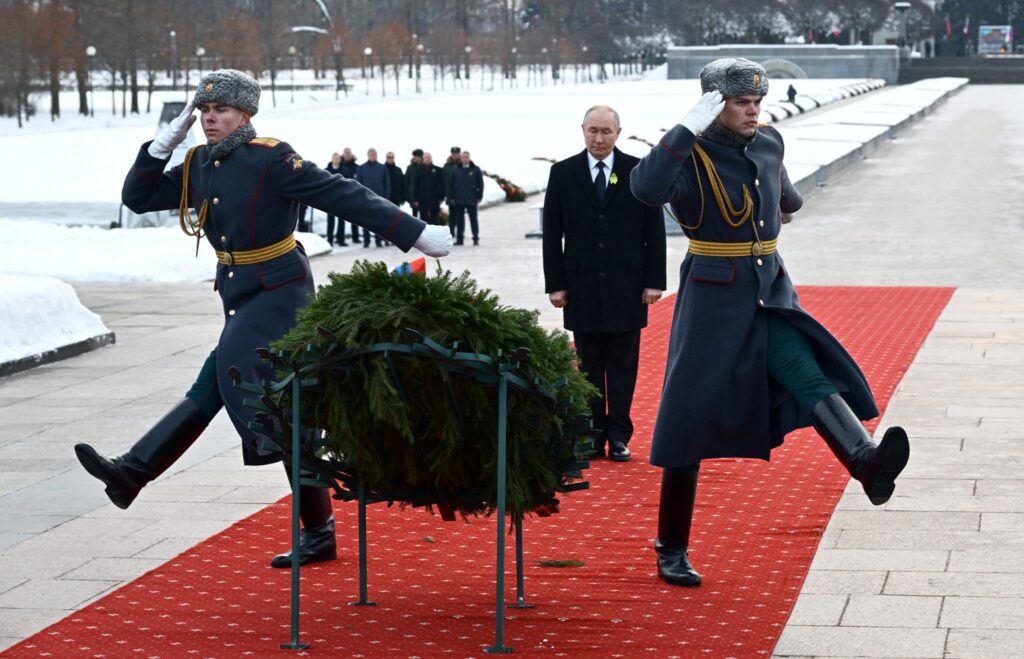
Russian President Vladimir Putin returned to his hometown of St. Petersburg on Tuesday, January 27, to honor the 82nd anniversary of the breakthrough that helped end one of World War II’s darkest chapters — the Siege of Leningrad.
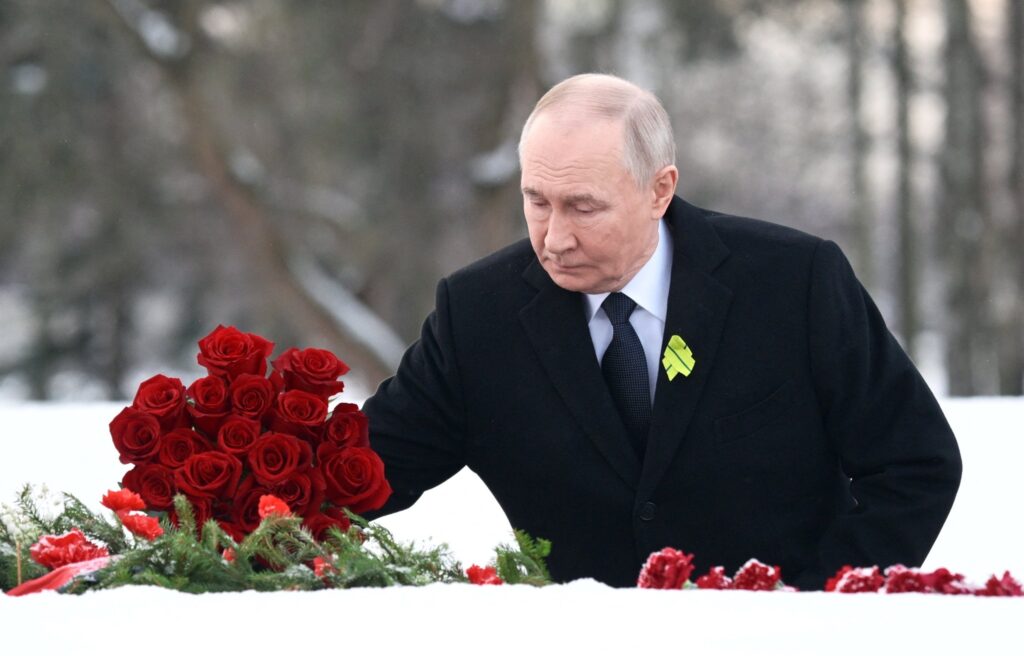
In a series of solemn ceremonies, Putin laid flowers at the Nevsky Pyatachok military-historical memorial complex in the Leningrad Region — a battlefield remembered for some of the fiercest and most costly fighting in the effort to break the Nazi blockade. He later paid tribute at Piskaryovskoye Memorial Cemetery, standing before the towering “Motherland” monument to honor the victims of the siege.
The cemetery holds mass graves of hundreds of thousands who perished during the blockade. In 2019, Putin revealed that his own brother, who died at the age of three during the siege, is believed to be buried there.
The Siege of Leningrad, as St. Petersburg was known in Soviet times, lasted 872 days. Residents endured relentless bombardment, brutal winter conditions, and catastrophic starvation. Historians consider it one of the longest and deadliest sieges in modern warfare, with hundreds of thousands of civilians losing their lives.
The blockade was finally lifted on January 27, 1944, marking a major turning point for Soviet forces during World War II — alongside pivotal battles in Moscow, Stalingrad, and Kursk.
Tuesday’s commemorations served as a powerful reminder of the human cost of war and the enduring place of the siege in Russia’s national memory.
Putin Marks Leningrad Siege Anniversary with Solemn Memorial Visit
Russian President Vladimir Putin returned to his hometown of St. Petersburg on Tuesday, January 27, to honor the 82nd anniversary of the breakthrough that helped end one of World War II’s darkest chapters — the Siege of Leningrad.
In a series of solemn ceremonies, Putin laid flowers at the Nevsky Pyatachok military-historical memorial complex in the Leningrad Region — a battlefield remembered for some of the fiercest and most costly fighting in the effort to break the Nazi blockade. He later paid tribute at Piskaryovskoye Memorial Cemetery, standing before the towering “Motherland” monument to honor the victims of the siege.
The cemetery holds mass graves of hundreds of thousands who perished during the blockade. In 2019, Putin revealed that his own brother, who died at the age of three during the siege, is believed to be buried there.
The Siege of Leningrad, as St. Petersburg was known in Soviet times, lasted 872 days. Residents endured relentless bombardment, brutal winter conditions, and catastrophic starvation. Historians consider it one of the longest and deadliest sieges in modern warfare, with hundreds of thousands of civilians losing their lives.
The blockade was finally lifted on January 27, 1944, marking a major turning point for Soviet forces during World War II — alongside pivotal battles in Moscow, Stalingrad, and Kursk.
Tuesday’s commemorations served as a powerful reminder of the human cost of war and the enduring place of the siege in Russia’s national memory.