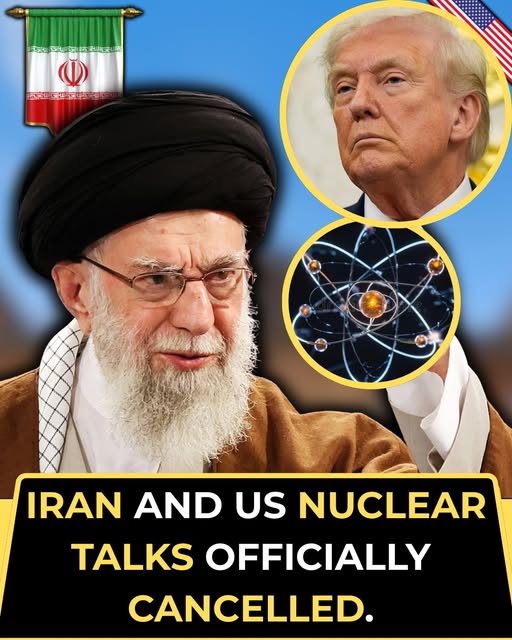
Nuclear talks between the United States and Iran that were scheduled to take place have reportedly been canceled after fundamental disagreements over format, agenda, and location.
According to multiple diplomatic sources familiar with the discussions, the planned indirect negotiations—mediated through Oman—collapsed in late January 2026 when both sides proved unable to bridge core differences. Tehran insisted the talks focus narrowly on the nuclear file, specifically the revival or renegotiation of limits on Iran’s nuclear program in exchange for sanctions relief. Washington, however, demanded a broader agenda that would include Iran’s ballistic missile development, support for regional proxies (Hezbollah, Houthis, Iraqi militias), and destabilizing activities across the Middle East.
The disputes escalated further over procedural issues: where and how the meeting should be held. Oman had been positioned as the likely host for indirect talks (as it has in previous rounds), with U.S. and Iranian delegations operating in separate rooms and Omani facilitators shuttling proposals. At one point, the format appeared close to agreement, but last-minute Iranian demands for direct talks (which the U.S. rejected) and U.S. insistence on including missile and proxy issues led to a complete breakdown.
Tensions between the two countries remain extremely high amid the diplomatic gridlock. The USS Abraham Lincoln carrier strike group and accompanying forces continue to maintain a visible presence in the Arabian Sea and Gulf of Oman, while Iran has conducted multiple missile and drone tests simulating attacks on naval targets. The potential collapse of talks has already influenced markets, with Brent crude prices spiking 3–5% in the immediate aftermath on fears of renewed escalation or disruption to the Strait of Hormuz.
Both sides have publicly expressed differing expectations about how and when dialogue should resume. Iranian Foreign Minister Abbas Araghchi stated that Tehran remains open to talks “on the nuclear issue alone” and accused Washington of bad-faith preconditions. U.S. National Security Advisor Jake Sullivan countered that any meaningful negotiation must address the “full range of destabilizing activities,” calling the Iranian position “unrealistic and unacceptable.”
Regional allies have been involved behind the scenes, with Oman, Qatar, and Iraq reportedly urging both capitals to preserve at least a minimal channel of communication to avoid accidental escalation. Despite the setback, some U.S. and European officials say quiet engagement might still resume if compromises can be reached on a phased or narrowly scoped agenda.
For now, diplomacy over Iran’s nuclear program hangs in the balance. The cancellation leaves the JCPOA (2015 nuclear deal) effectively dead in the water, with Iran continuing to enrich uranium to near-weapons-grade levels and the U.S. maintaining maximum-pressure sanctions and a strong military posture in the region. The coming weeks will be critical in determining whether quiet diplomacy can salvage any path forward or whether the two sides are heading toward a more dangerous standoff.
References
U.S. Department of State – Statement on Iran Nuclear Talks (January 2026)
Iranian Foreign Ministry – Response to U.S. Preconditions and Cancellation of Talks (January 2026)
Reuters – U.S.-Iran nuclear talks canceled over agenda, format disputes (January 2026)
Al Jazeera – Oman-mediated indirect talks collapse as sides fail to agree scope (January 2026)
Financial Times – Oil prices jump after breakdown in U.S.-Iran diplomacy (January 2026)
The New York Times – Iran nuclear diplomacy stalls again amid missile, proxy demands (January 2026)
BBC News – Tensions high as U.S. and Iran fail to restart nuclear talks (January 2026)