In a moment that immediately drew global attention, Russian President Vladimir Putin stepped before the cameras and delivered a statement designed to spark debate far beyond Moscow. Comparing military budgets and strategic capabilities, he pointed to what he described as a stark imbalance between spending and results — arguing that sheer financial power does not always translate into technological supremacy.
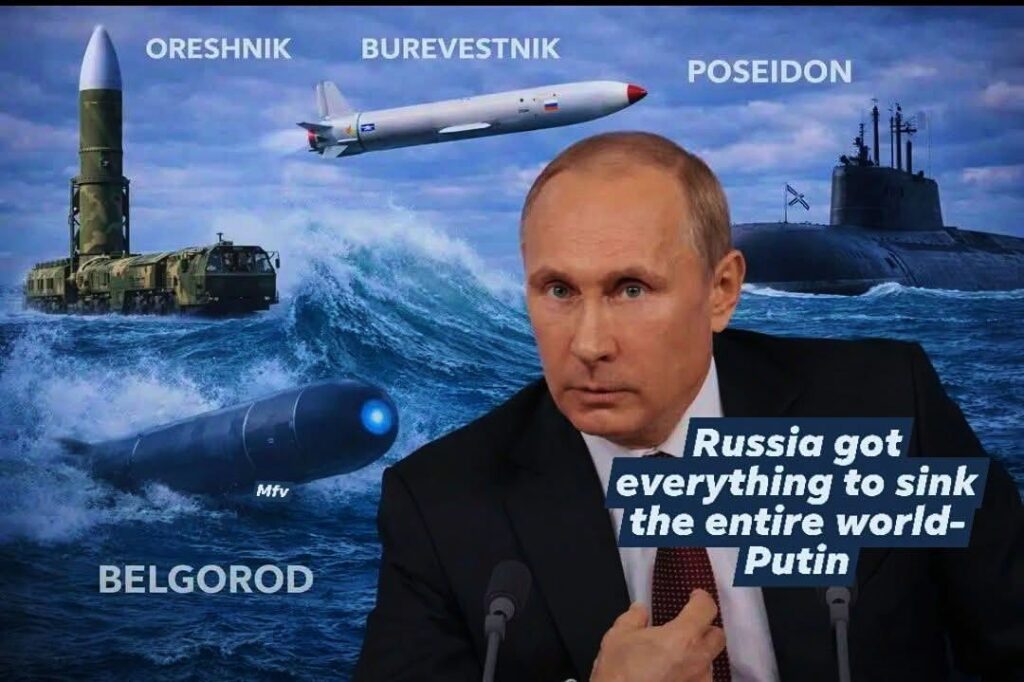
According to his remarks, the United States is projected to allocate around $1 trillion for its military budget in 2026, with plans that could push that figure toward $1.5 trillion by 2027. Yet, he suggested, despite that enormous level of expenditure, Washington still struggles to field fully operational and reliable hypersonic missile systems at scale. By contrast, he highlighted Russia’s comparatively modest defense spending — roughly $120 billion — while claiming that Moscow has already deployed or tested a suite of next-generation strategic weapons.
The statement quickly ignited discussion among analysts, defense experts, and policymakers worldwide. At its core, Putin’s argument rests on a narrative of efficiency versus excess: one country spending vast sums in pursuit of dominance, and another leveraging focused investment to achieve asymmetric strategic advantages.
The Budget Contrast: Dollars and Doctrine
The scale of U.S. defense spending is historically unprecedented. The Pentagon’s budget encompasses global force deployment, technological research, nuclear modernization, cyber capabilities, space operations, and support for allies across multiple continents. The U.S. maintains hundreds of overseas bases and operates aircraft carrier strike groups across the world’s oceans — an expansive global posture unmatched by any other nation.
Russia, by contrast, operates with a far smaller official defense budget. However, its doctrine emphasizes strategic deterrence — particularly nuclear deterrence — over maintaining global conventional superiority. Moscow’s investments have increasingly focused on systems designed to bypass missile defenses and maintain strategic parity against NATO.
This philosophical divergence in military planning sets the stage for the systems Putin referenced.
Oreshnik Hypersonic System

4
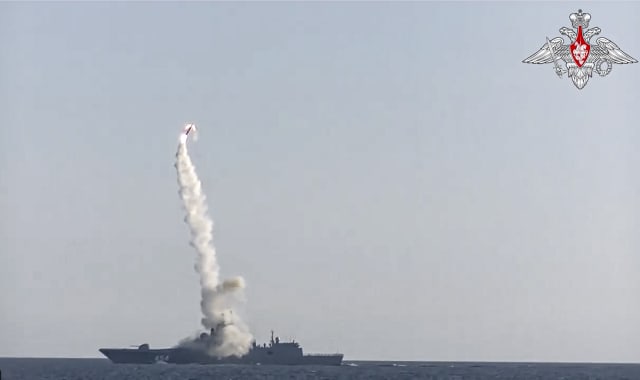
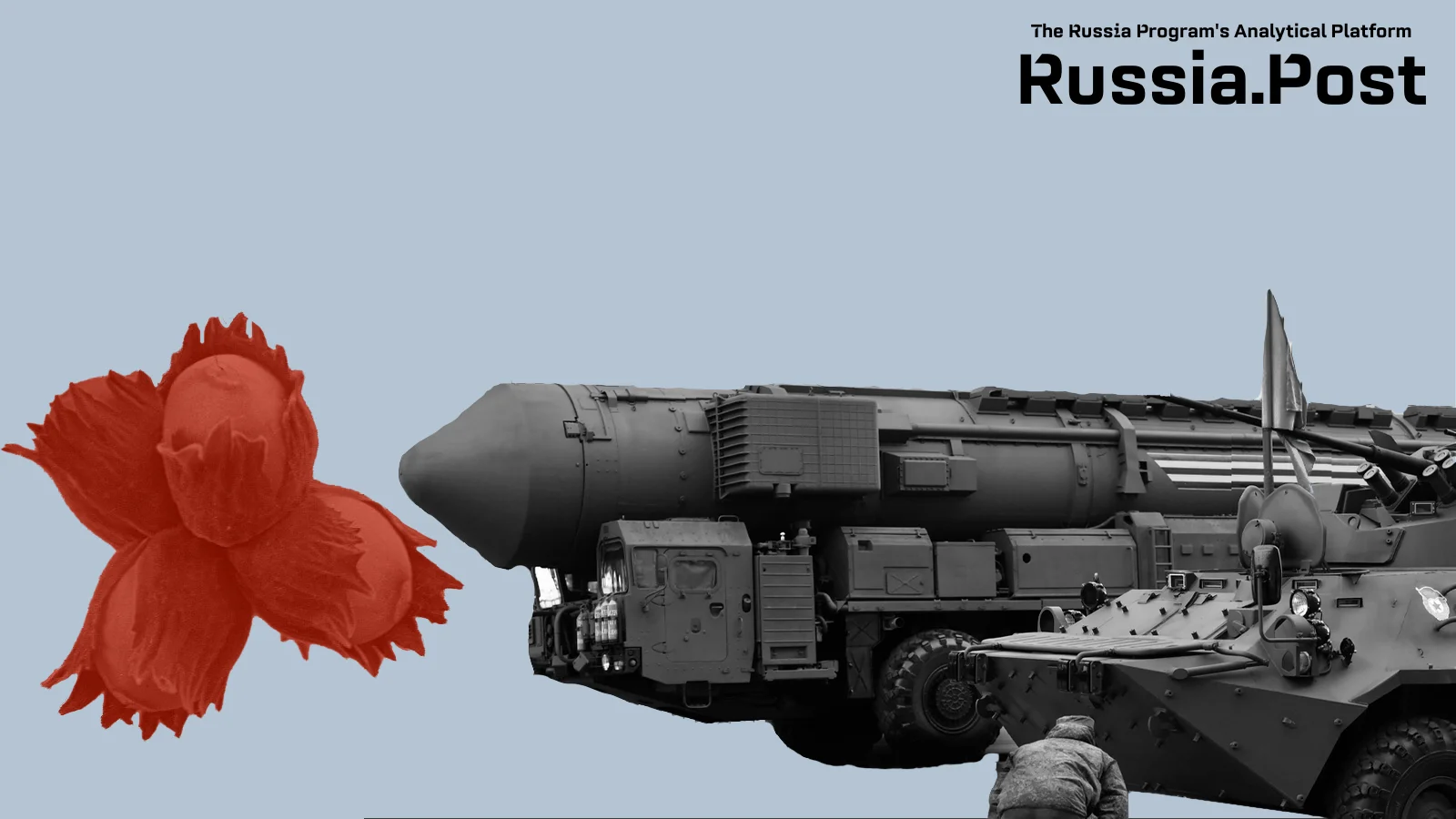
The Oreshnik is described as one of Russia’s advanced hypersonic delivery platforms. Hypersonic weapons travel at speeds exceeding Mach 5 and are capable of maneuvering mid-flight, making them significantly harder to intercept than traditional ballistic missiles.
Russian officials have claimed that such systems can evade existing missile defense shields due to their speed and unpredictable trajectories. Hypersonic technology has become a central element of 21st-century military competition, with both Moscow and Washington investing heavily in research and development.
Putin’s remarks suggest that Russia views itself as ahead in operational deployment — a claim that U.S. officials typically contest, pointing to ongoing American testing programs.
Burevestnik: Nuclear-Powered Cruise Missile

4
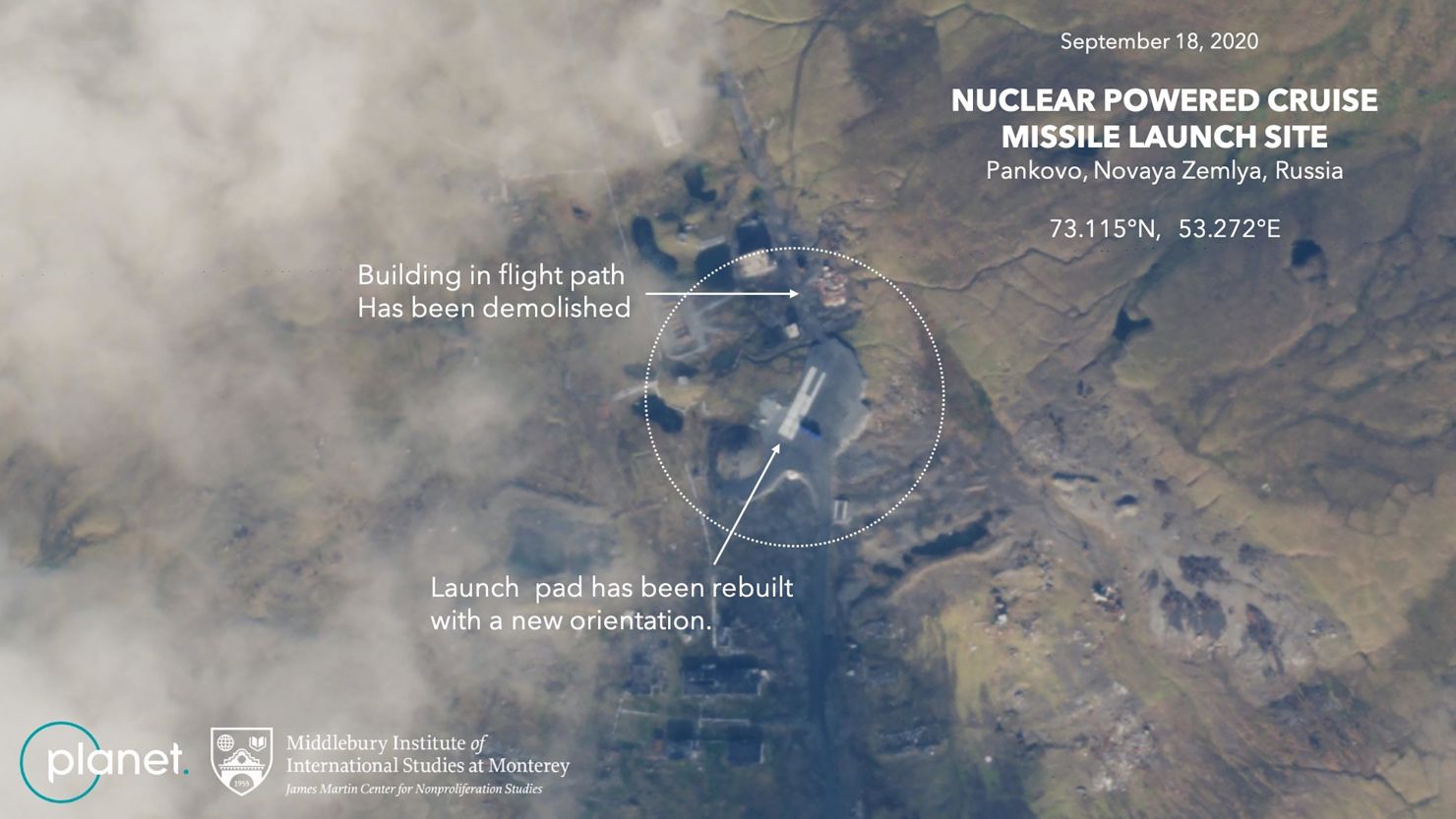
Among the most controversial systems mentioned is Burevestnik, sometimes referred to in Western media as a “nuclear-powered cruise missile.” The concept behind Burevestnik involves a nuclear propulsion system that theoretically grants it extremely long range, potentially allowing it to circle the globe before striking its target.
The idea of a virtually unlimited-range cruise missile immediately raised alarm among international observers when it was first announced. Critics cite environmental and safety risks associated with nuclear propulsion, while supporters argue that such systems enhance deterrence by complicating adversaries’ defense calculations.
Development challenges and testing incidents have also been reported over the years, underscoring the complexity of such advanced weaponry.
Poseidon Nuclear Drone

4
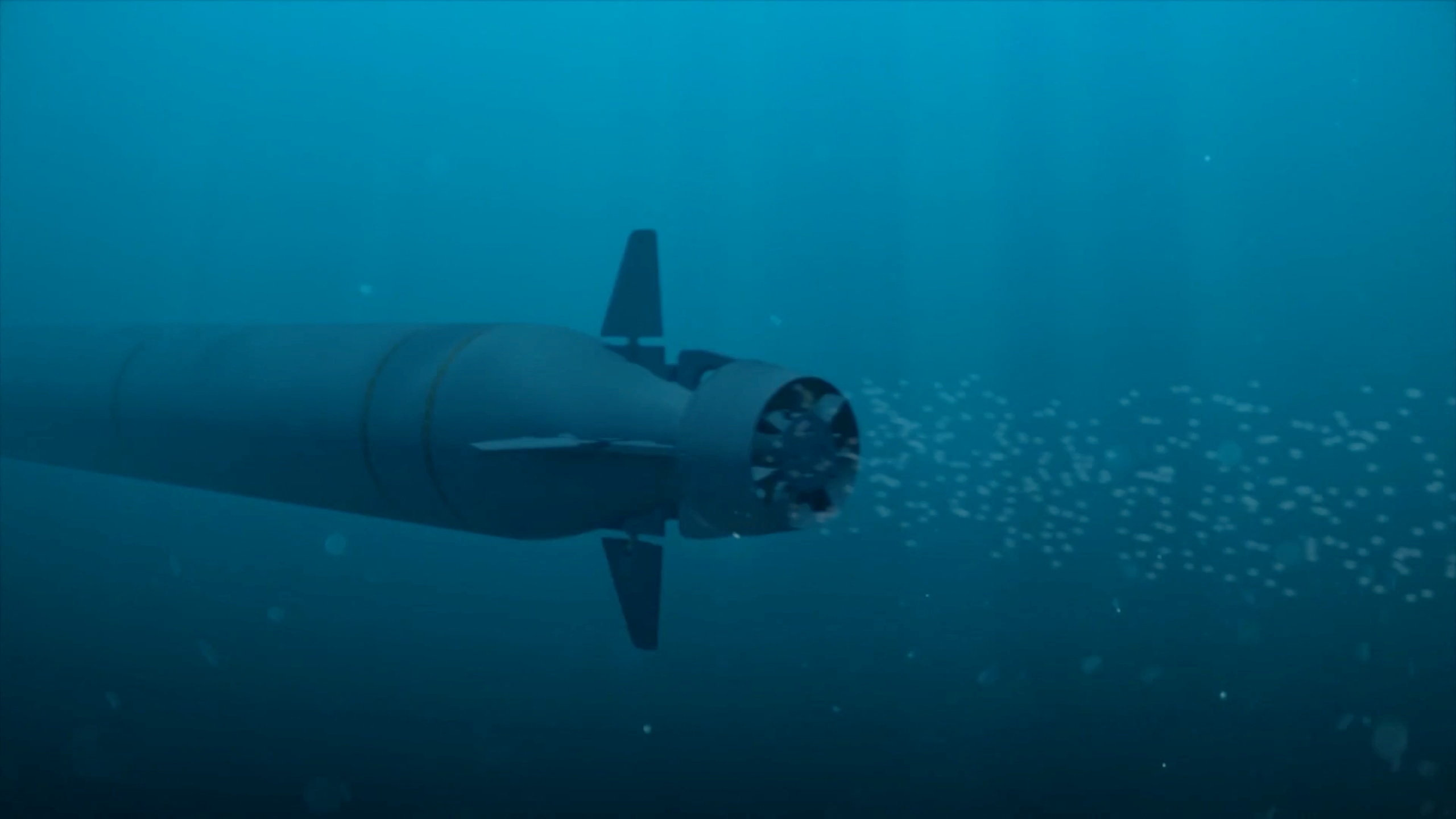
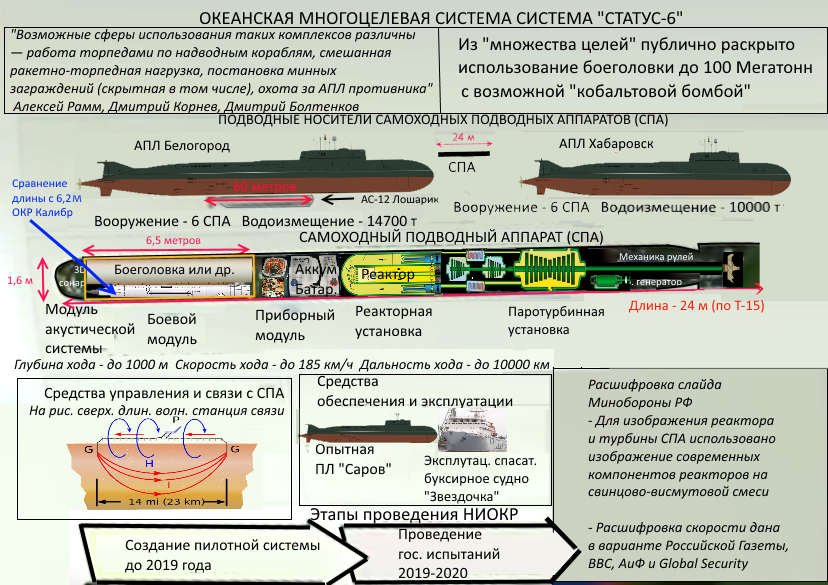
Perhaps one of the most futuristic elements in Russia’s arsenal is the Poseidon nuclear-powered underwater drone. Designed as an autonomous torpedo capable of traveling across oceans at great depths, Poseidon reportedly carries a powerful nuclear payload.
Strategic analysts describe it as a second-strike weapon intended to ensure retaliatory capability even if traditional launch platforms are neutralized. Its underwater approach would bypass conventional missile defense systems entirely, presenting a new category of deterrence challenge.
The existence of such systems has contributed to renewed discussions about the future of nuclear arms control, particularly after the expiration of major bilateral treaties.
Belgorod: The Giant Beneath the Sea
4
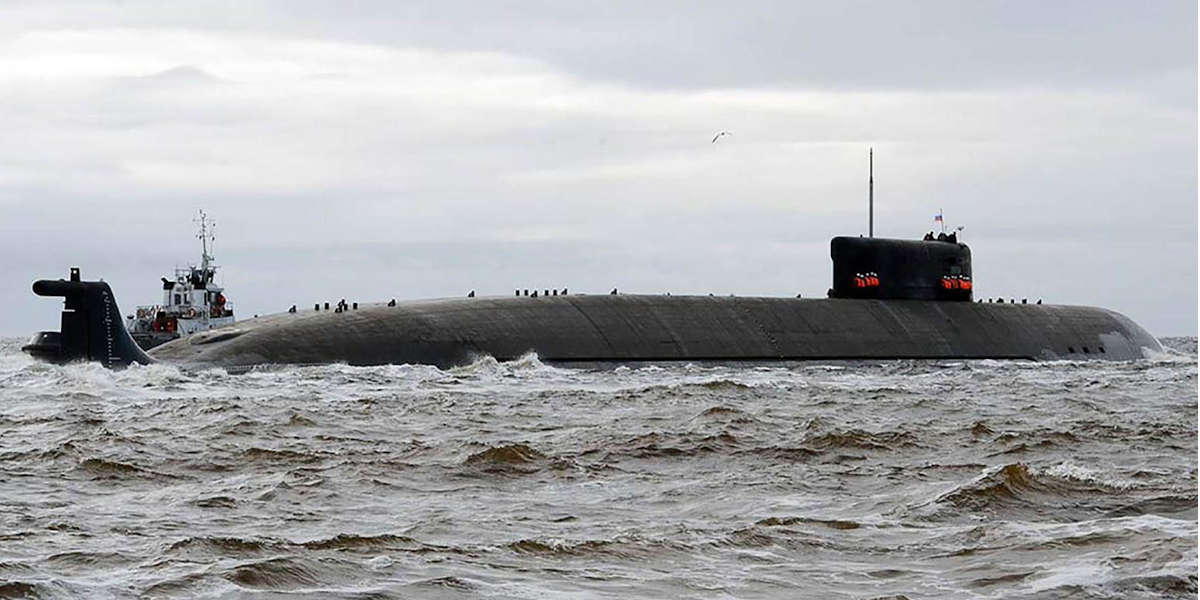
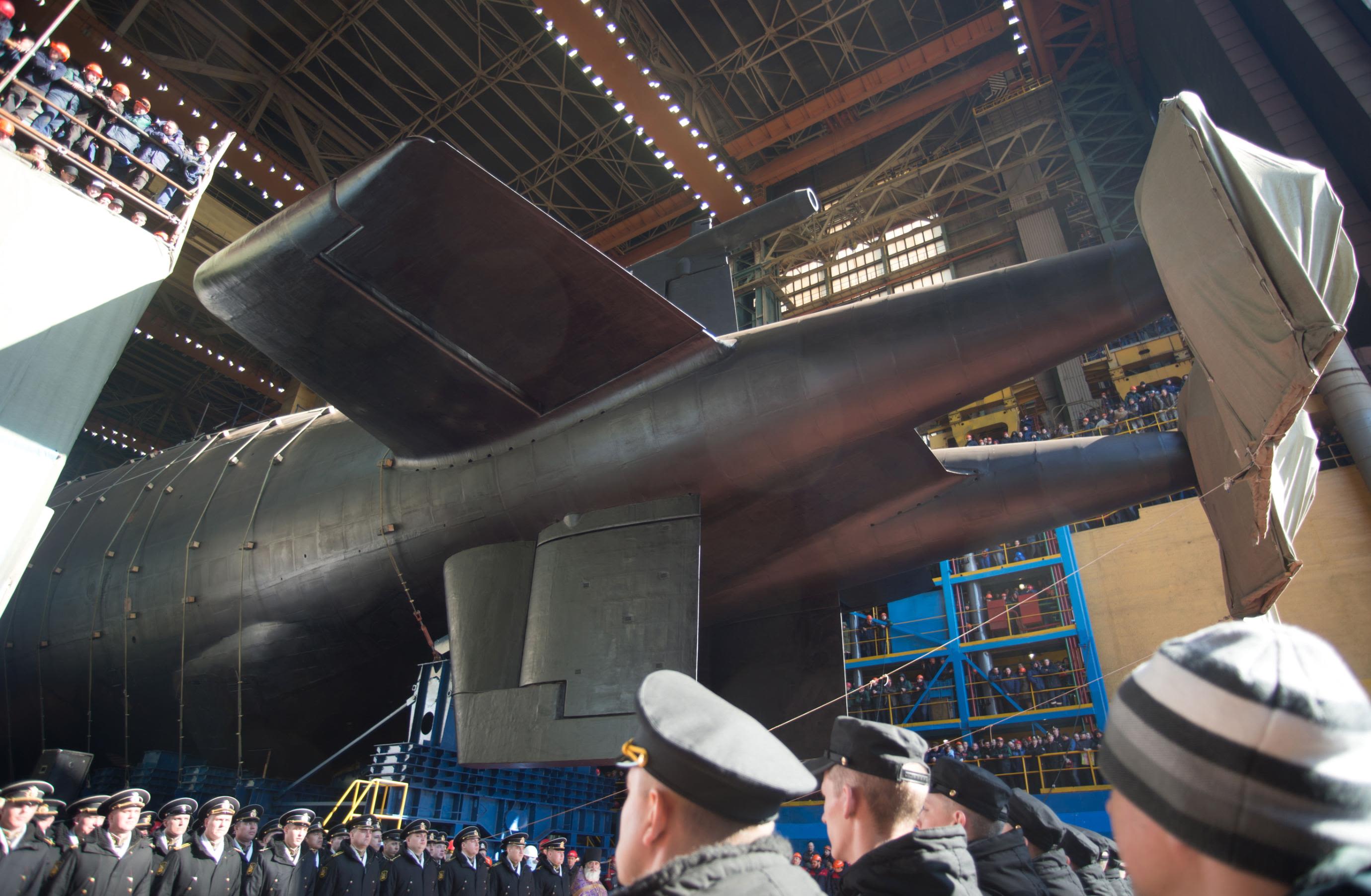
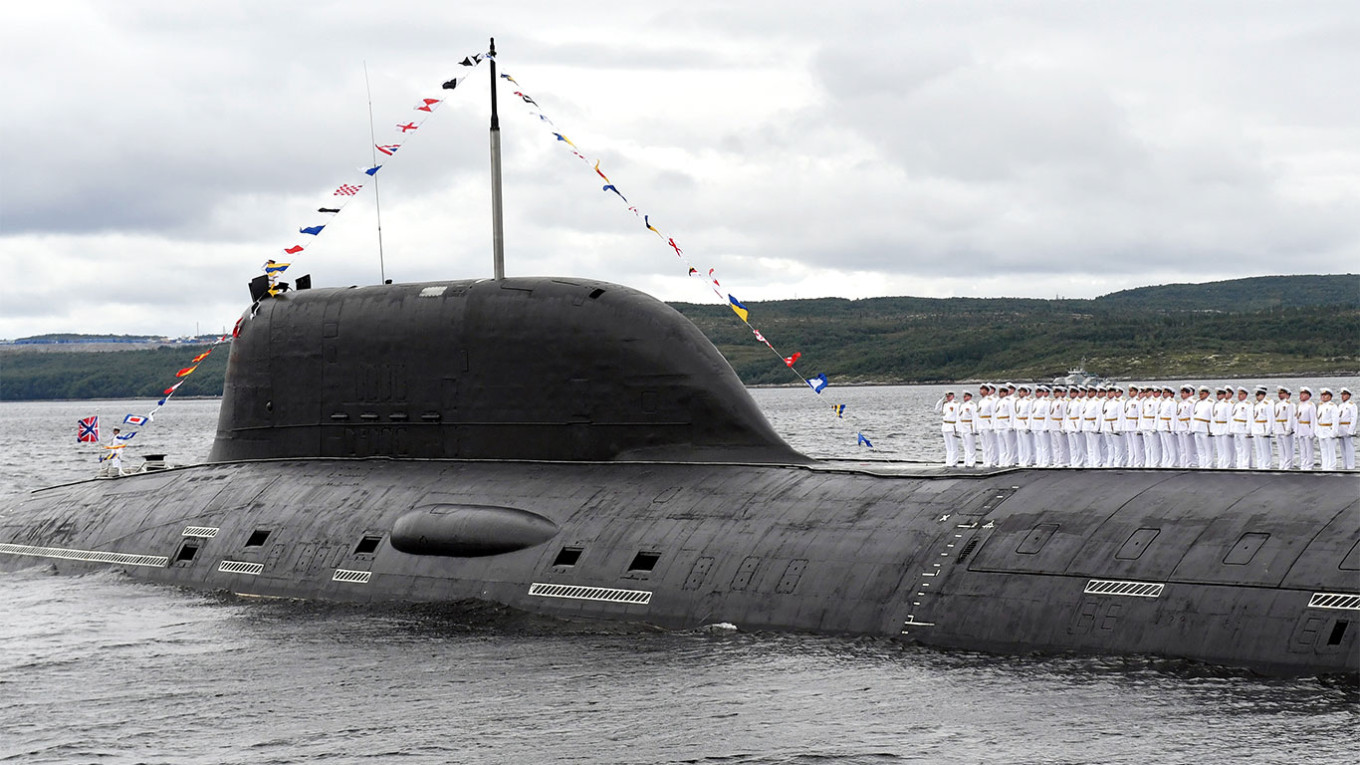
At the center of this underwater strategy is the Belgorod nuclear submarine, often described as the largest operational submarine in the world. Belgorod is believed to serve as a carrier platform for Poseidon drones and other specialized deep-sea equipment.
Its size and mission profile distinguish it from traditional ballistic missile submarines. Rather than serving solely as a launcher of intercontinental ballistic missiles, Belgorod reportedly functions as a multipurpose strategic platform capable of intelligence missions and deployment of novel underwater systems.
The submarine symbolizes Russia’s emphasis on unconventional deterrence capabilities designed to counterbalance NATO’s conventional superiority.
Hypersonic Rivalry: A New Arms Race?
Putin’s assertion that the United States lacks “functional powerful hypersonic missiles” is part of a broader narrative that Russia has outpaced Washington in this domain. The reality, however, is more nuanced. The U.S. has conducted multiple hypersonic flight tests and continues to invest heavily in programs such as the Conventional Prompt Strike initiative.
Defense analysts caution that public declarations often serve strategic messaging purposes. In modern geopolitical competition, perception can be nearly as powerful as capability. Demonstrating advanced weapons serves both domestic audiences and international rivals.
At the same time, the rapid development of hypersonic systems by multiple nations — including China — has led experts to warn of a potential new arms race reminiscent of Cold War competition, but now spanning air, sea, space, and cyberspace.
Strategic Messaging and Geopolitical Implications
Putin’s comparison of budgets and weapon systems is not merely a technical discussion; it is also a political statement. By emphasizing efficiency and breakthrough technology, Moscow seeks to reinforce an image of resilience despite economic pressures and sanctions.
For Washington, defense spending reflects global commitments — alliances in Europe, Asia, and the Middle East; advanced research across multiple domains; and a force structure built for worldwide engagement. For Moscow, concentrated spending on strategic deterrence aligns with a more regionally focused but nuclear-centered doctrine.
The messaging arrives at a time when global tensions remain elevated. The absence of comprehensive arms control agreements has increased uncertainty in strategic stability. Without formal constraints and verification regimes, both sides may interpret each other’s developments in the most threatening light.
The Broader Debate
Ultimately, the debate raised by Putin’s statement touches on several fundamental questions:
- Does higher spending necessarily yield technological superiority?
- Are hypersonic and nuclear-powered systems reshaping deterrence theory?
- Can existing defense systems adapt to these emerging threats?
- And most importantly, can major powers prevent escalation while pursuing advanced military innovation?
The answers remain contested.
What is clear is that military competition in the 2020s looks very different from that of previous decades. It is no longer solely about troop numbers or aircraft carriers. It is about speed, stealth, autonomy, artificial intelligence, and survivability.
A World Watching Closely
As the numbers circulate — trillion-dollar budgets versus leaner strategic investments — global audiences are left weighing competing narratives. One side emphasizes scale and global reach; the other highlights breakthrough systems designed to bypass defenses and ensure deterrence.
In an era where perception, deterrence, and messaging intertwine, statements like these resonate far beyond national borders. Whether viewed as strategic bravado or calculated analysis, the remarks underscore a defining reality of our time: military innovation continues to evolve at breathtaking speed, and the balance of power remains a subject of intense scrutiny.
For now, the world watches carefully as two nuclear superpowers — 🇷🇺 and 🇺🇸 — navigate an increasingly complex strategic landscape, where technology, politics, and perception converge in shaping the future of global security.