Iran on the Brink: Eleven Days That Are Shaking a Regime
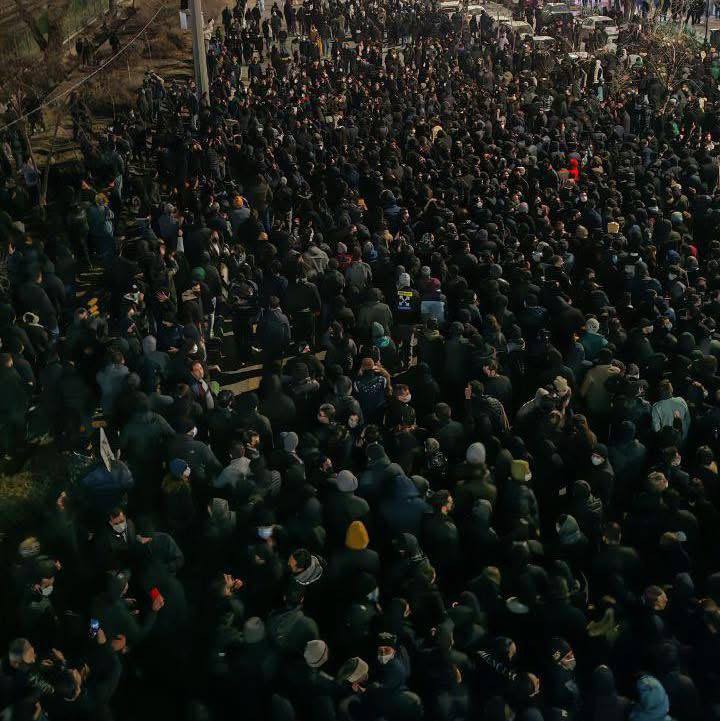
For eleven straight days, Iran has not slept.
From the narrow alleys of provincial towns to the crowded avenues of major cities, something irreversible is unfolding. What began as scattered demonstrations has evolved into a nationwide movement—one that refuses to retreat into the shadows, one that now marches boldly in the open light of day.
This is no longer just a protest. It is a collective act of defiance.
Men and women, young and old, students, workers, mothers, fathers—people who have spent decades silenced by fear—are stepping forward together. They are chanting, organizing, and resisting despite knowing the cost. Despite knowing that bullets, batons, and prison cells may be waiting.
Yet they come anyway.
Daylight Defiance: A Line Has Been Crossed
Authoritarian regimes survive on fear. Nighttime protests can be dismissed as isolated unrest, blamed on “foreign agitators” or “misguided youth.” But daylight demonstrations are different. They signal confidence. They signal unity. They signal that people no longer believe silence will keep them safe.
Across Iran, protesters are now gathering openly—outside universities, in marketplaces, on main roads. They are filming, sharing, and amplifying each other’s voices in real time. They are coordinating across cities and provinces, forming a decentralized but resilient movement that is proving harder to crush with each passing day.
This shift matters.
When people protest in broad daylight, they are not just demanding change. They are declaring that the regime’s monopoly on fear has been broken.
A Regime Responds With Violence
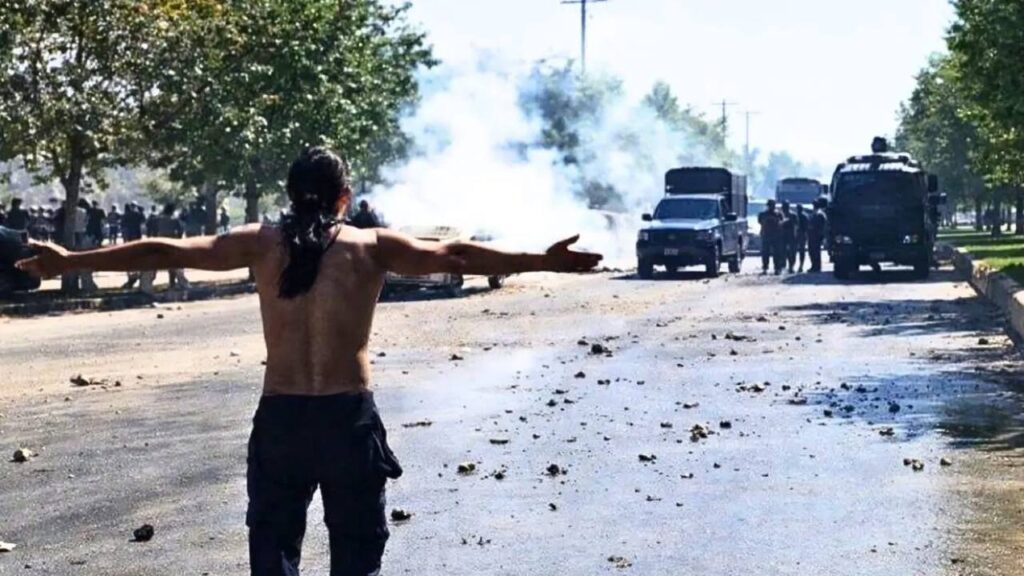
The government’s response has been swift, ruthless, and unmistakable.
Security forces have opened fire on unarmed civilians. Protesters have been killed in the streets. Others have been beaten, dragged away, and disappeared into detention centers. Many have been injured—some critically—only to face arrest while seeking medical treatment.
Reports emerging from inside the country describe security forces storming hospitals, firing tear gas inside emergency wards, and arresting wounded protesters from their beds. Doctors and nurses have been threatened for providing care. Ambulances have been stopped, searched, and in some cases seized.
These are not the actions of a confident government.
They are the actions of a regime that feels cornered.
The Use of Proxy Forces: Fear Imported From Outside
Perhaps most alarming are reports that the Iranian authorities have imported proxy forces to help suppress the protests—militia groups and security elements brought in precisely because they have fewer personal or emotional ties to local communities.
This tactic is telling.
When a regime can no longer rely on its own population to enforce its rule, it turns to outsiders. When local police hesitate, when soldiers question orders, when cracks appear in loyalty, power resorts to mercenaries and proxies.
History shows that this is a dangerous moment for any authoritarian system.
Why This Protest Is Different
Iran has seen protests before. Many. But this movement carries characteristics that make it distinct—and far more threatening to those in power.
1. Geographic Spread
This is not confined to Tehran or a handful of major cities. Protests have erupted across regions, including smaller towns that rarely make international headlines. That breadth makes containment exponentially harder.
2. Social Unity
Ethnic, religious, and class divisions—long exploited by the state—are being bridged. Protesters are joining forces across lines that once kept movements fragmented.
3. Sustained Momentum
Eleven consecutive days of protest under violent repression is not spontaneous outrage. It is endurance. It is organization. It is commitment.
4. Moral Clarity
The demands may vary, but the core message is unmistakable: dignity, freedom, and an end to systematic oppression.
The Cost of Courage
Every protester in Iran understands the stakes.
They know that arrest can mean torture. That prison can mean disappearance. That a single video shared online can result in years behind bars—or worse.
And yet, people keep showing up.
Why?
Because for many, life under constant repression has already crossed the threshold of unbearable. Because fear has lost its power when there is nothing left to protect but dignity itself.
This is what the world must understand: these protesters are not reckless. They are rational people making a calculated choice that silence is no longer safer than resistance.
A Regime in Moral Freefall
The violence unfolding in Iran is not just a human rights crisis—it is a moral collapse.
Storming hospitals. Shooting civilians. Arresting the wounded. Using proxy forces against one’s own population.
These are not measures taken by a government seeking stability. They are acts of desperation by a system trying to survive at any cost.
The language of “law and order” rings hollow when laws are enforced through bloodshed. Claims of “national security” collapse when the primary threat comes from the state itself.
The regime is not protecting Iran. It is protecting power.
The World Is Watching—But Is It Acting?
Statements of “concern” have poured in from around the world. Social media is flooded with hashtags. Condemnations are issued. Meetings are held.
But for those risking their lives on the streets of Iran, words are not enough.
Human rights organizations, international institutions, and governments must move beyond rhetoric. History will not judge intentions—it will judge actions.
What Must Happen Now
- Independent investigations into killings, disappearances, and hospital raids
- Targeted sanctions against individuals and entities responsible for repression
- International protection mechanisms for activists, journalists, and medical workers
- Diplomatic pressure that raises the cost of continued violence
- Support for internet freedom to prevent information blackouts
Every delay emboldens the perpetrators. Every half-measure signals tolerance.
The Dangerous Illusion of Stability
Some governments may be tempted to look away, fearing regional instability or economic fallout. But there is a dangerous illusion at play: that repression equals stability.
It does not.
Repression postpones change—it does not prevent it. And the longer injustice persists, the more explosive the eventual reckoning becomes.
Ignoring Iran’s crisis today will not buy peace tomorrow. It will only deepen the wounds and raise the human cost when change finally comes.
A Moment That Will Define a Generation
For Iranians, these eleven days may become a defining chapter in their national story.
For the international community, this is a test of credibility.
Do human rights matter only when convenient?
Does international law apply only to weaker states?
Do civilian lives count only when geopolitical interests align?
The answers are being written now—not in press releases, but in decisions made behind closed doors.
Final Words: History Is Listening
Somewhere in Iran tonight, a young person is deciding whether to step into the street tomorrow. Somewhere, a parent is weighing fear against hope. Somewhere, a wounded protester is wondering whether seeking medical care will lead to healing—or arrest.
They are not asking the world to fight their battle for them.
They are asking the world not to stand aside while they are slaughtered.
This regime is not eternal. No oppressive system ever is. But how many lives are lost before the world decides enough is enough depends on what happens next.
Silence is not neutrality.
Inaction is not caution.
And history will remember who spoke—and who looked away.