Officials say Tehran wanted the talks strictly about nuclear issues, while Washington wanted to cover broader concerns, including missiles and regional activity.
The disputes escalated over where and how the meeting should be held.
At one point, the negotiations appeared to be heading toward a session in Oman before falling apart.
Early Friday, February 6, 2026, marked a critical turning point in Middle Eastern geopolitics as the U.S. Virtual Embassy in Iran issued an urgent, nationwide security alert.
Citing “increased security measures, road closures, and internet blockages,” the embassy commanded American citizens to “leave Iran now” and prepare for an exit that does not rely on U.S. government assistance.
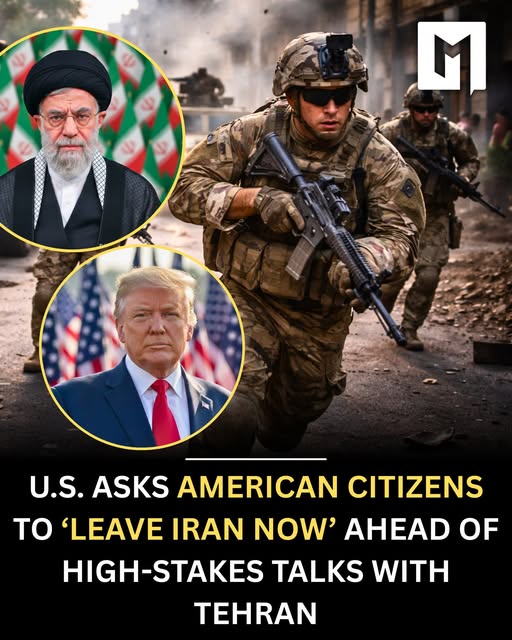
This directive comes amid a backdrop of extreme civil unrest, with reports indicating that January 2026 was the deadliest month for protesters in decades.
Simultaneously, high-stakes indirect negotiations began in Muscat, Oman, aimed at preventing a potential regional war.
These talks featured a unique U.S. delegation led by Steve Witkoff and Jared Kushner, notably joined by Adm. Brad Cooper from Central Command.
While Iranian Foreign Minister Abbas Araghchi described the initial round as a “good start” and a “very positive atmosphere,” he emphasized that discussions remain strictly limited to nuclear issues.
With the USS Abraham Lincoln strike group stationed nearby and the White House warning that military options remain on the table, the world remains on edge.
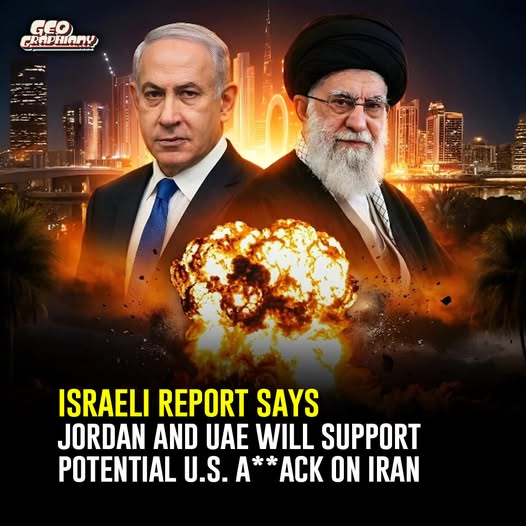
Nuclear talks between the United States and Iran that were scheduled to take place have reportedly been canceled after disagreements over format and agenda.
Officials say Tehran wanted the talks strictly about nuclear issues, while Washington wanted to cover broader concerns, including missiles and regional activity.
The disputes escalated over where and how the meeting should be held.
At one point, the negotiations appeared to be heading toward a session in Oman before falling apart.
Tensions between the two countries remain high alongside the diplomatic gridlock.
The potential collapse of talks has already influenced markets, including energy prices.
Both sides have publicly expressed differing expectations about how and when dialogue should resume.
Regional allies have been involved behind the scenes, urging continued diplomacy.
Despite the setback, some officials say engagement might still happen if compromises are reached.
For now, diplomacy over Iran’s nuclear program hangs in the balance.