Strait of Hormuz Tensions: When Ships Refuse to Sail


4
As tensions in the Middle East continue to rise, the world’s most important energy chokepoint has become the center of intense global attention. The Strait of Hormuz, a narrow but vital waterway connecting the Persian Gulf to the Gulf of Oman, carries roughly 20% of the world’s oil supply each day. Any disruption here sends shockwaves through global markets.
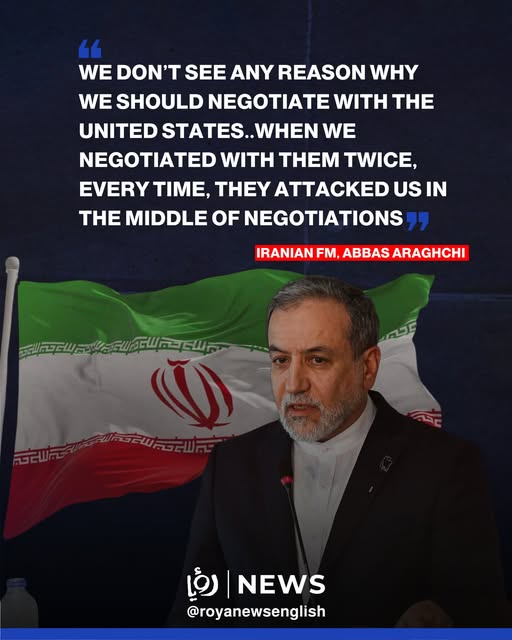
Recently, however, a striking claim has emerged from Iranian officials. According to statements from Iran, the strait itself has not technically been “closed.” Instead, they argue that the real reason traffic has slowed dramatically is that ships and oil tankers themselves have refused to cross the waterway due to rising security risks.
This explanation adds a new dimension to the unfolding crisis. Rather than a formal blockade, the situation reflects something more complex—an atmosphere of fear, uncertainty, and escalating conflict that has made one of the world’s busiest maritime routes suddenly appear too dangerous for commercial shipping.
The World’s Most Critical Oil Corridor
The Strait of Hormuz is often described as the lifeline of the global energy system. Located between Iran to the north and Oman and the Musandam Peninsula to the south, the waterway is only about 33 kilometers (21 miles) wide at its narrowest point.
Despite its small size, the strait serves as the exit route for oil and gas exports from major energy producers such as:
- Saudi Arabia
- Iraq
- United Arab Emirates
- Kuwait
- Qatar
Every day, millions of barrels of crude oil and liquefied natural gas move through this narrow passage toward markets in Asia, Europe, and North America.
Because so much of the global energy supply passes through a single maritime corridor, any threat to the strait immediately rattles energy markets and shipping companies worldwide.
A Waterway Under Pressure
The latest tensions emerged amid escalating military confrontation involving Iran and Western-backed forces in the region. Iranian military leaders warned that vessels attempting to cross the strait could be targeted. One senior official declared that ships trying to pass would be attacked and even “set ablaze.”
These warnings had an immediate effect.
Even without a formal closure order, shipping companies, insurers, and ship crews began reassessing the risk of entering the area. Some tankers slowed their approach, while others chose to anchor outside the strait instead of continuing their journey.
In effect, the strait became something close to a “self-imposed shutdown.”
Ships technically could attempt to pass, but many simply chose not to.
The Power of Risk and Insurance
One of the biggest factors driving the hesitation is maritime insurance.
Shipping companies rely heavily on specialized insurance policies to cover risks such as piracy, missile strikes, or naval conflict. When a region becomes too dangerous, insurers may withdraw coverage or dramatically increase premiums.
Without insurance, a tanker carrying oil worth hundreds of millions of dollars becomes an enormous financial gamble.
Recent reports indicate that maritime insurers have been reconsidering or canceling war-risk coverage for vessels traveling through the Persian Gulf.
For shipowners, that changes everything.
Even if a route remains technically open, sailing without adequate insurance could lead to catastrophic losses if a ship is attacked or damaged. As a result, many captains and shipping companies prefer to wait rather than risk entering a conflict zone.
Tankers Waiting in the Gulf
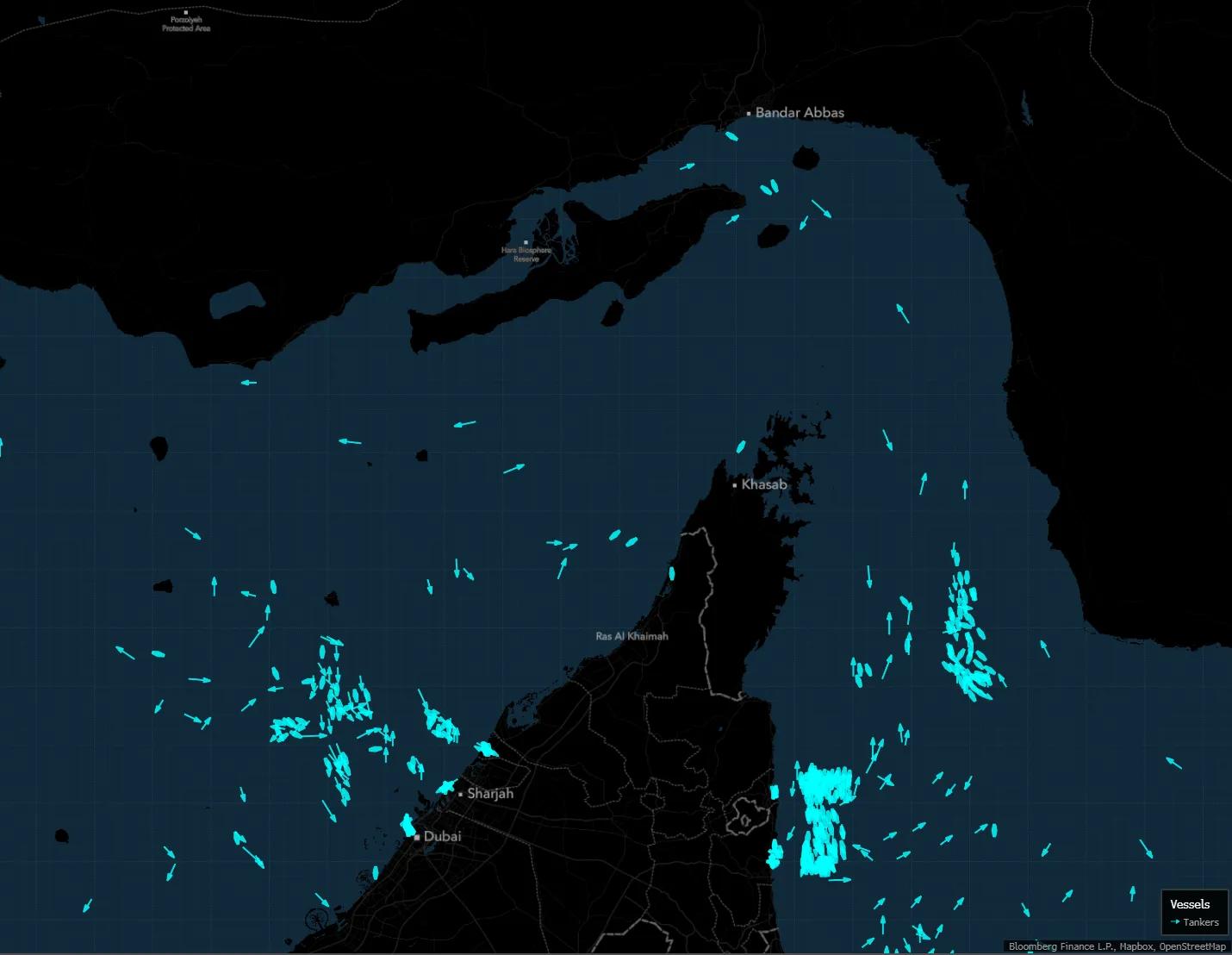
The consequences have become visible in maritime tracking data.
Dozens—possibly hundreds—of vessels have been reported waiting near the entrance to the strait, unsure whether to proceed or remain anchored until the security situation improves.
In some cases, crews have even been given the right to refuse dangerous voyages. Maritime labor groups representing thousands of sailors have raised alarms about the safety of crews operating near the conflict zone.
For the seafarers aboard these ships, the risk is personal.
Oil tankers are enormous vessels, often carrying crews of 20 to 30 people and cargo worth hundreds of millions of dollars. A single drone strike, missile attack, or naval incident could quickly turn a commercial voyage into a deadly disaster.
A Strategic Message from Tehran
Iran’s claim that ships are refusing to cross the strait serves a strategic purpose as well.
For years, Tehran has warned that it could close the Strait of Hormuz in response to military attacks or economic sanctions. Such a move would immediately disrupt global oil flows and trigger a major energy crisis.
But actually blocking the strait outright could provoke a massive international military response.
By allowing ships to decide for themselves whether to cross—while simultaneously issuing threats—Iran can create similar economic pressure without formally declaring a blockade.
This strategy creates uncertainty rather than outright closure.
And in global shipping, uncertainty can be just as powerful as physical barriers.
Global Energy Markets on Edge
The slowdown in tanker traffic has already begun to affect global energy markets.
When traders hear that oil shipments might be delayed, they quickly react by pushing prices higher. Even the possibility of disruption can trigger price spikes as countries and companies scramble to secure alternative supplies.
Energy analysts warn that if large volumes of oil remain stuck inside the Persian Gulf for extended periods, the consequences could be severe:
- Higher global oil prices
- Increased shipping costs
- Supply shortages in energy-dependent regions
- Volatility across financial markets
The ripple effects could be felt everywhere—from gasoline stations in the United States to industrial factories in Asia.
A Dangerous Game of Deterrence
The situation in the Strait of Hormuz now reflects a delicate balance between deterrence and escalation.
Iran wants to demonstrate that it can disrupt global energy routes if threatened. At the same time, major world powers—including the United States and its allies—have a strong interest in keeping the strait open.
Naval forces from several countries are already active in the region, monitoring the situation and escorting vessels when necessary.
The risk is that even a small incident—such as a drone strike on a tanker or a naval confrontation—could trigger a larger crisis.
Because the strait is so narrow, the margin for error is extremely small.
The Fragility of Global Trade
Ultimately, the unfolding situation highlights just how fragile global supply chains can be.
A single narrow waterway, only a few dozen kilometers wide, plays a critical role in powering the world’s economy. When tensions rise in that region, the consequences ripple across continents.
The fact that ships are choosing not to sail—despite no formal closure—demonstrates how quickly confidence can evaporate in international trade.
Sometimes the most powerful disruption is not a blockade or an attack.
Sometimes it is simply fear.
A Waiting Game
For now, the Strait of Hormuz remains in a state of uneasy uncertainty.
Iran insists the passage has not been physically shut down. But the warnings, attacks, and rising military tensions have created a climate in which many shipping companies prefer to stay away.
The result is a global standoff at sea: tankers waiting, markets watching, and governments calculating their next moves.
Until the security situation stabilizes, the world’s most important energy corridor may remain open in theory—but nearly silent in practice.
And in the high-stakes world of global energy, even a pause can shake the entire planet.