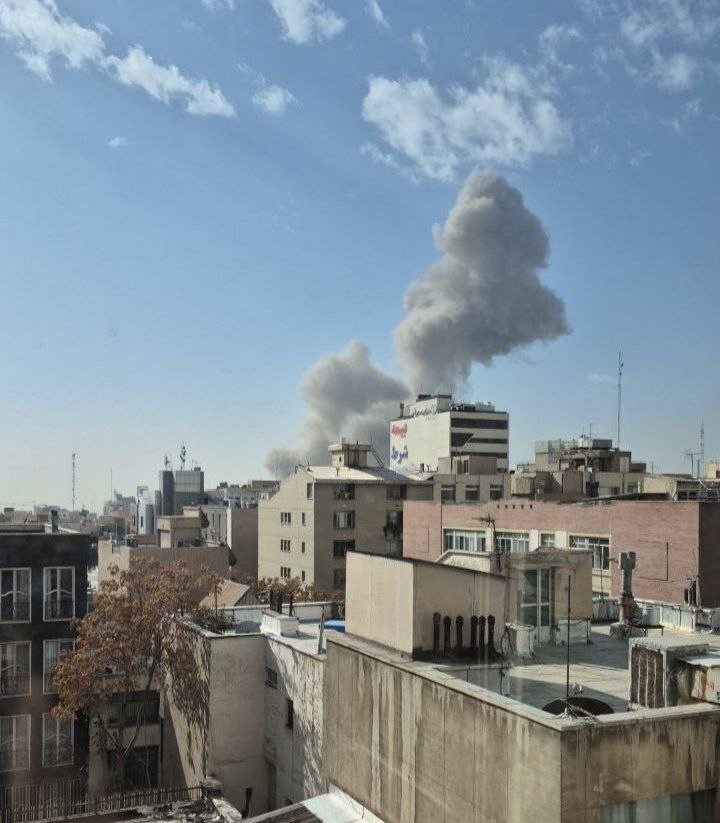
🚨 EXISTENTIAL THREAT? ISRAEL UNDER FIRE FROM EVERY DIRECTION 🔥
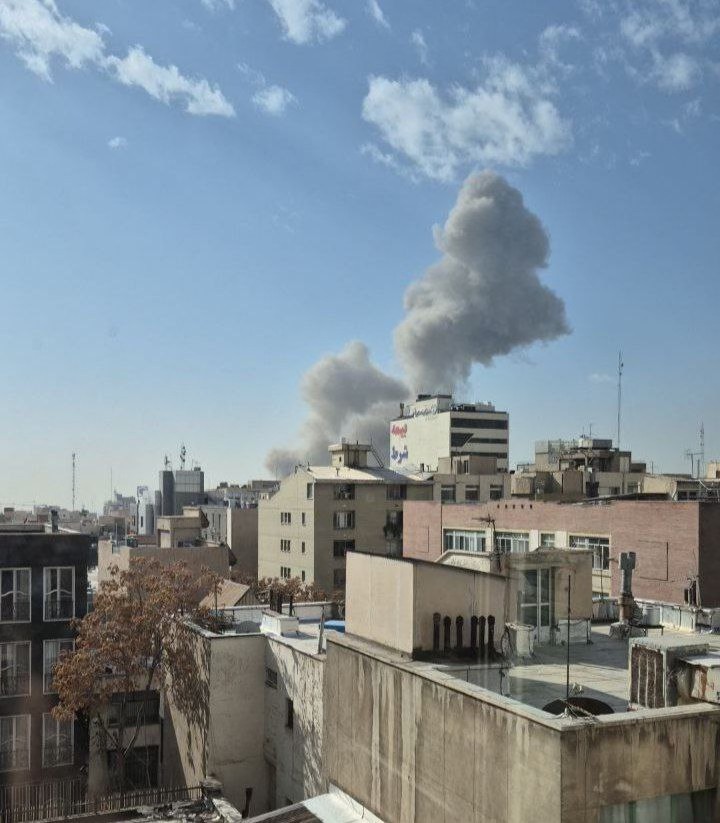
A storm of fear, speculation, and intense rhetoric is sweeping across global conversations as alarming claims emerge about Israel facing what some describe as an unprecedented, multi-front crisis. The language is dramatic—“existential threat,” “collapse,” even whispers of disappearance—but separating fact from exaggeration has never been more important.
Across headlines and social media, reports paint a picture of chaos. Iran allegedly launching strikes, Hezbollah escalating attacks, and tensions rising from Yemen. There are also claims of broader regional involvement, with references to fighters across the Middle East and even statements attributed to Turkey raising alarm about advanced weaponry. The narrative suggests a nation surrounded, pressured from every direction, with no clear end in sight.
It’s a gripping and unsettling scenario—but one that must be approached carefully.
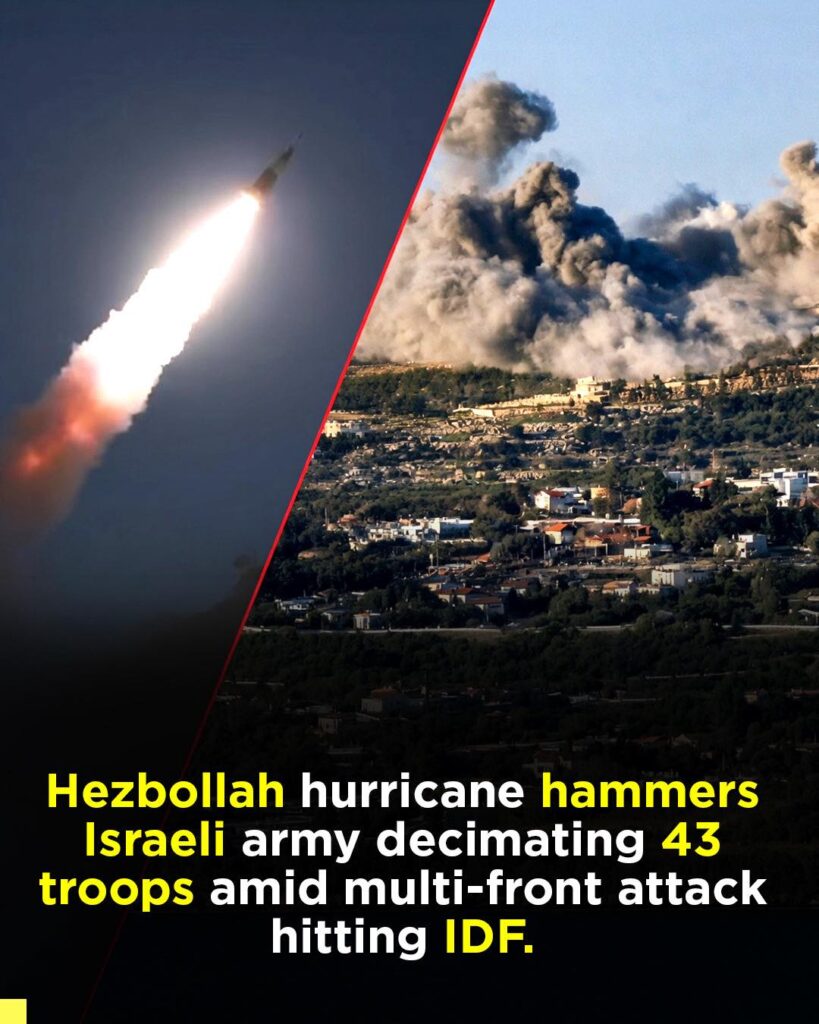
Israel has faced multi-front threats before in its history, including during major conflicts like the Yom Kippur War. In those moments, the stakes were undeniably high, yet the country endured through a combination of military capability, international support, and strategic resilience. Today, Israel remains one of the most technologically advanced military powers in the region, with layered defense systems and significant intelligence capabilities.
The claim that its defenses are “overwhelmed” or that collapse is imminent is not supported by verified, credible reporting. Modern warfare is complex, and while tensions in the region are real and serious, sweeping statements about total destruction often emerge from misinformation, propaganda, or emotionally charged narratives rather than confirmed facts.
The mention of the United States withdrawing support or suffering major losses also falls into this category of unverified claims. The U.S. has long been a key ally of Israel, and any major shift in that relationship would be widely reported and confirmed through multiple reliable sources. Similarly, statements attributed to figures like Kim Jong-un often circulate online without clear sourcing or context.
What is real, however, is the growing sense of instability in parts of the Middle East. Conflicts, political rivalries, and proxy tensions can create an environment where rumors spread quickly and fear escalates even faster. In such moments, dramatic narratives—especially those suggesting total collapse or extinction—tend to gain traction because they tap into deep anxieties.
But history shows that nations, especially those with strong institutions and alliances, do not simply “disappear overnight.” Even in the face of significant threats, outcomes are shaped by diplomacy, military strategy, international pressure, and internal resilience.
The question of survival is powerful, but it should not be driven by speculation alone. Instead, it demands careful attention to verified information, balanced analysis, and an understanding of the broader geopolitical landscape.
As the world watches closely, one truth remains: in times of crisis, clarity matters more than ever. Fear can spread fast—but so can misinformation. And in a situation as serious as this, distinguishing between the two is not just important—it’s essential.