Iran Wins, Palestine Will Be Free


4
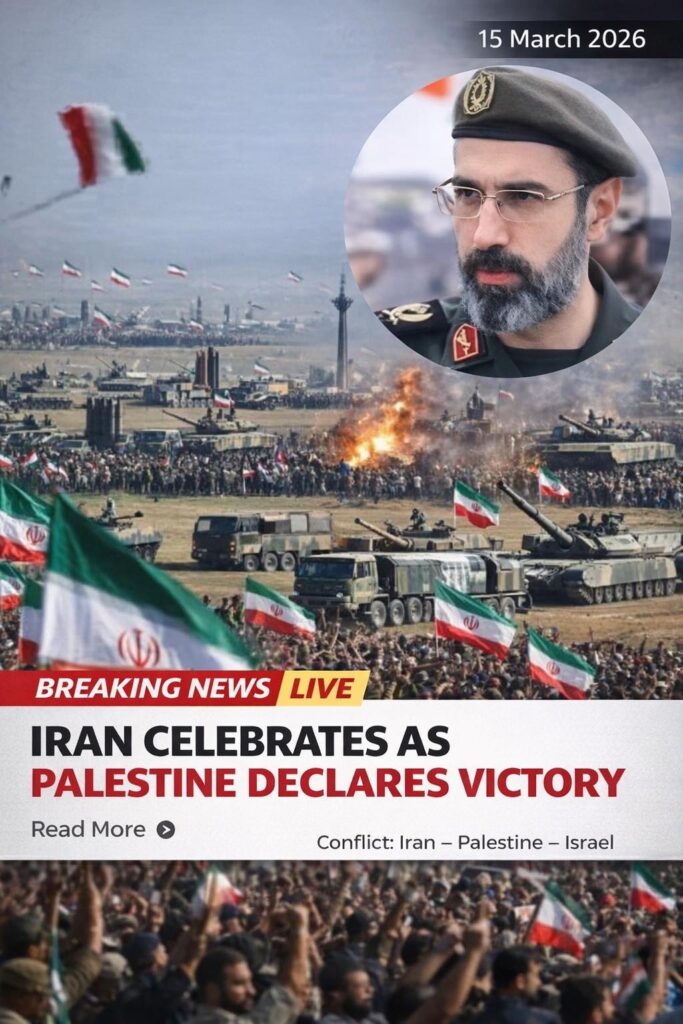
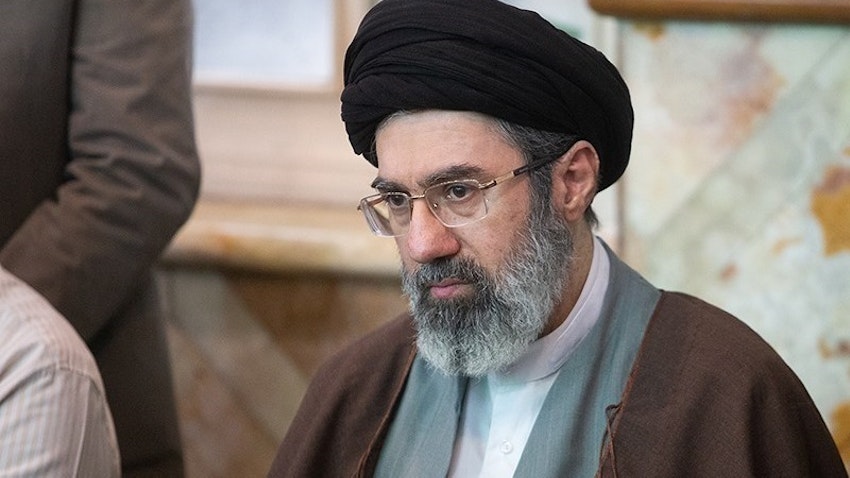
As tensions continue to rise across the Middle East, a message from Mojtaba Khamenei has echoed across the Muslim world, calling for unity, faith, and prayer. In a statement shared widely online, the Iranian leader urged Muslims everywhere to stand together spiritually during the ongoing conflict involving Iran and its regional adversaries. His words carried a strong message of resilience, belief, and hope for what many supporters describe as the eventual liberation of Palestine.
The message, simple but powerful, spread quickly across social media platforms and messaging networks. Supporters shared it in Arabic, Persian, Urdu, English, and many other languages. The central theme was clear: unity through faith. According to the statement, believers were encouraged to turn toward prayer and ask Allah for strength, protection, and victory during what many see as a historic moment for the region.
For millions across the Muslim world, prayer is not just a ritual but a powerful expression of solidarity. When leaders call for collective prayer, it becomes a symbol of unity that transcends borders, languages, and cultures. Khamenei’s message was framed in that spirit—an appeal not only to political supporters but to Muslims everywhere who feel emotionally connected to the Palestinian cause.
A Call for Global Muslim Unity
In his statement, Mojtaba Khamenei emphasized the importance of unity among Muslims during times of crisis. He urged believers not to lose hope despite the hardships faced across the region. According to the message, faith and patience are essential tools during difficult moments, especially when conflict and uncertainty dominate global headlines.
The call for unity resonates deeply within many communities that have long followed events in the Middle East with concern and passion. The Palestinian issue, in particular, remains one of the most emotional and politically sensitive topics across the Muslim world. For decades, it has been viewed by many as a symbol of struggle, resistance, and the desire for self-determination.
Khamenei’s statement suggested that prayer could serve as a unifying force that strengthens morale and spiritual resolve. Supporters who shared the message online often accompanied it with phrases like “Stand with Iran,” “Pray for Palestine,” and “Faith will bring victory.”
Faith During Conflict
Throughout history, religion has played a major role during times of war and crisis. Leaders often call for prayer when facing major challenges because it can inspire resilience among supporters and create a sense of shared purpose.
In many parts of the Muslim world, gatherings for prayer and reflection have historically taken place during moments of geopolitical tension. Mosques and community centers become spaces not only for worship but also for solidarity and collective reflection.
The message from Mojtaba Khamenei followed that tradition. By calling on Muslims to pray together, he emphasized spiritual strength rather than purely military or political strategies. Supporters described the message as a reminder that faith and patience are central values during uncertain times.
Social Media Amplifies the Message
One of the striking aspects of the statement was how quickly it spread across digital platforms. Within hours, hashtags related to Iran, Palestine, and unity were trending in several regions. Users shared graphics, short videos, and translations of the message.
Many posts included the phrase “Iran Wins, Palestine Will Be Free.” For supporters, the slogan represents hope for a future in which Palestinian sovereignty becomes a reality. Others used the phrase to express broader solidarity with people affected by the conflict.
Social media has become a powerful tool for spreading political and religious messages. Unlike traditional broadcasts, digital platforms allow millions of people to share, translate, and respond to statements almost instantly. In this case, the message traveled rapidly across continents—from the Middle East to Southeast Asia, Europe, and North America.
The Emotional Power of the Palestinian Cause
The mention of Palestine in the statement was particularly significant. For many Muslims and supporters around the world, the Palestinian cause carries deep historical, political, and emotional meaning.
The phrase “Palestine will be free” has become one of the most widely recognized slogans connected to the conflict. It appears in demonstrations, speeches, online campaigns, and humanitarian advocacy efforts. Supporters see it as a call for justice and independence.
In Khamenei’s message, the hope for Palestinian liberation was framed within a religious context. Prayer was presented as both a spiritual act and a symbolic expression of solidarity with Palestinians living under difficult circumstances.
Voices of Support
Following the statement, many supporters responded simply with the word “Ameen.” In Islamic tradition, the word is often spoken after prayers to express agreement and hope that the prayer will be accepted by God.
Online, the word appeared thousands of times in replies and posts. Some people shared images of mosques filled with worshippers praying for peace and justice. Others posted messages emphasizing unity among Muslims regardless of nationality.
The repetition of “Ameen” demonstrated how a short phrase can become a powerful symbol of collective belief. It reflects the idea that millions of people, even when physically separated by thousands of miles, can feel connected through shared faith.
A Region Watching Closely
The Middle East remains one of the most geopolitically complex regions in the world. Conflicts, alliances, and rivalries often shape global politics and international relations. Any statement from influential leaders—including figures like Mojtaba Khamenei—is therefore closely watched by governments, analysts, and media organizations worldwide.
While supporters interpret the message as a call for faith and unity, critics sometimes view such statements through a political lens. In a region where religion and politics are deeply intertwined, messages of prayer and resistance can carry multiple meanings.
Regardless of interpretation, the message has clearly captured attention. It has become part of a broader conversation about the future of the Middle East and the ongoing struggle surrounding Palestine.
Hope, Faith, and the Future
Despite the intense political tensions, the message ultimately focused on hope. By encouraging believers to remain steadfast and united in prayer, Mojtaba Khamenei framed the conflict as a test of faith and perseverance.
For many supporters, the phrase “Iran Wins, Palestine Will Be Free” is more than a slogan. It represents a vision of a future shaped by faith, resilience, and unity among Muslims worldwide.
Whether expressed through prayer, activism, or public discussion, the idea of solidarity continues to resonate across communities. As the conflict unfolds and the world watches closely, the power of belief—shared by millions—remains a central theme in the ongoing story of the Middle East.
And as the message concluded, millions echoed the same simple response: